Epoxy Floor & Concrete Resurfacing Vancouver
Worn, peeling, stained or failing concrete floors resurfaced without full replacement. We grind away the failed surface, repair the damage, and apply a new 100% solids epoxy system. That restores your floor to better-than-new condition for less than the cost of a concrete pour. Serving all of Greater Vancouver BC.
What Is Epoxy Floor Resurfacing and When Do You Need It?
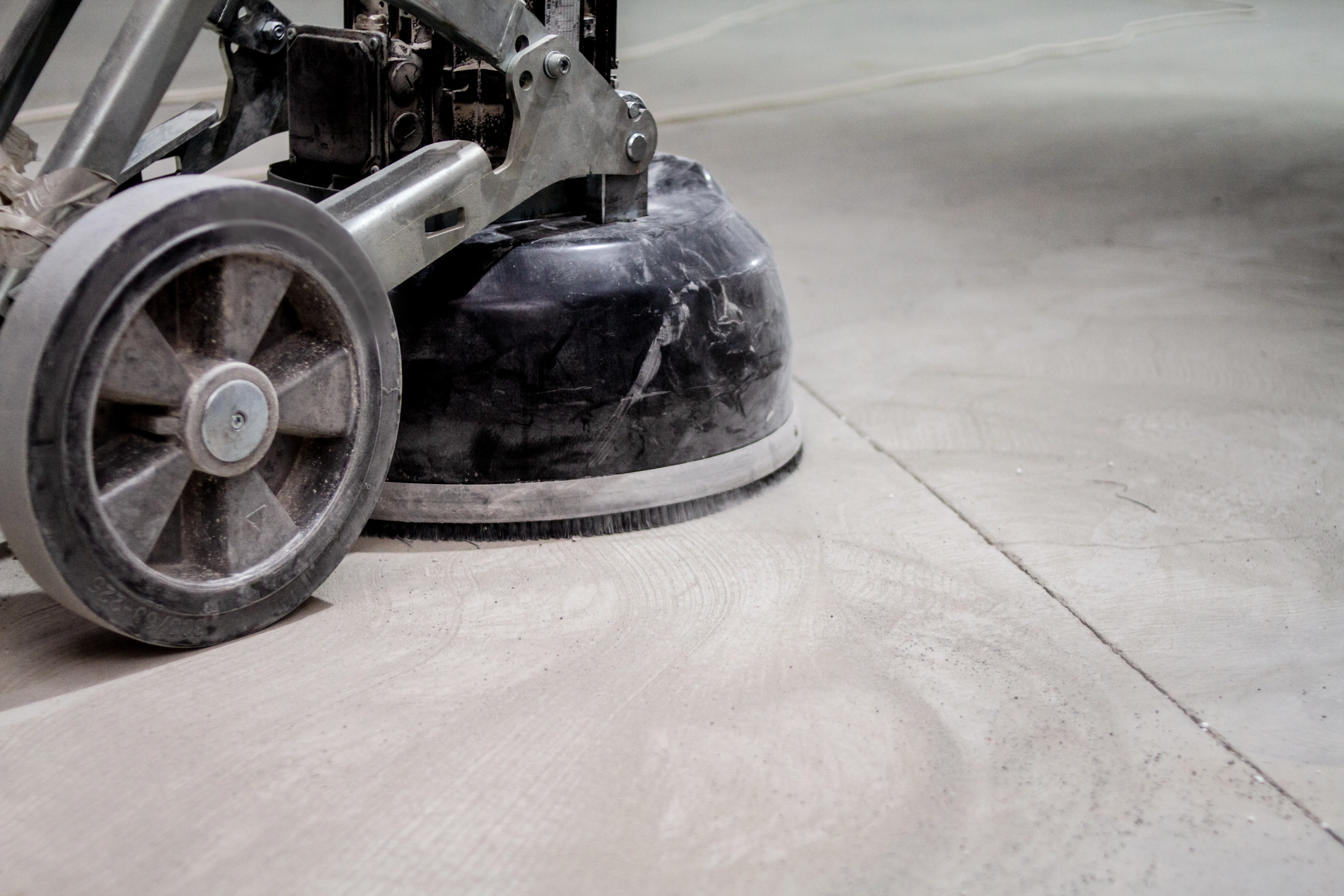
Concrete floor resurfacing in Vancouver means removing the failed, damaged, or worn surface of an existing floor by diamond grinding, and applying a new coating system over the sound concrete underneath. The slab itself stays. Only the surface changes. This is the correct approach for the vast majority of failing floors across Metro Vancouver, and it costs significantly less than breaking out and repouring concrete.
The floors we most commonly resurface in Greater Vancouver are: garage floors with peeling DIY epoxy or paint, basement floors with failed sealers or lifted coatings, commercial and warehouse floors with worn or delaminated previous coatings, and utility spaces with stained, dusty, or damaged concrete that was never properly sealed.
The result of a proper resurface is a floor that performs as well as (or better than) a new installation on bare concrete, because the new system is applied to a mechanically prepared substrate rather than whatever happened to be the original surface. Most resurfaced floors in Vancouver carry the same 10 to 15 year service life as a new installation.
When to Resurface vs Replace Your Concrete Floor
The question we get asked at almost every assessment in Vancouver is: does this floor need to come out, or can we resurface it? In more than 90% of the residential and commercial floors we assess across Metro Vancouver, resurfacing is the right answer. Here is how we make the call:
Resurface, the right choice when:
The concrete slab is structurally sound but the surface is failing. Previous paint, sealer or epoxy is peeling, lifting or blistering. The floor is stained, dusty or generally worn. Minor surface cracking (not through-cracks to depth). Oil contamination or surface damage without structural compromise. This covers the large majority of Vancouver garage, basement and commercial floors.
Replace, required when:
The concrete slab itself is structurally compromised. Through-cracking with movement (one side higher than the other). Significant heaving from tree roots or frost. Settlement creating substantial grade changes. Full deterioration to depth. These conditions are uncommon in standard Vancouver residential construction and most commercial buildings. Full slab replacement is typically a concrete contractor's scope, not ours.
At your free on-site assessment, we inspect the slab, probe any cracking, and give you a clear recommendation on whether resurfacing is appropriate. If the slab requires full replacement, we tell you that directly and refer you to a concrete contractor. We do not resurface slabs that should be replaced.
The Most Common Floor Resurfacing Projects in Vancouver
Garage Floor Resurfacing
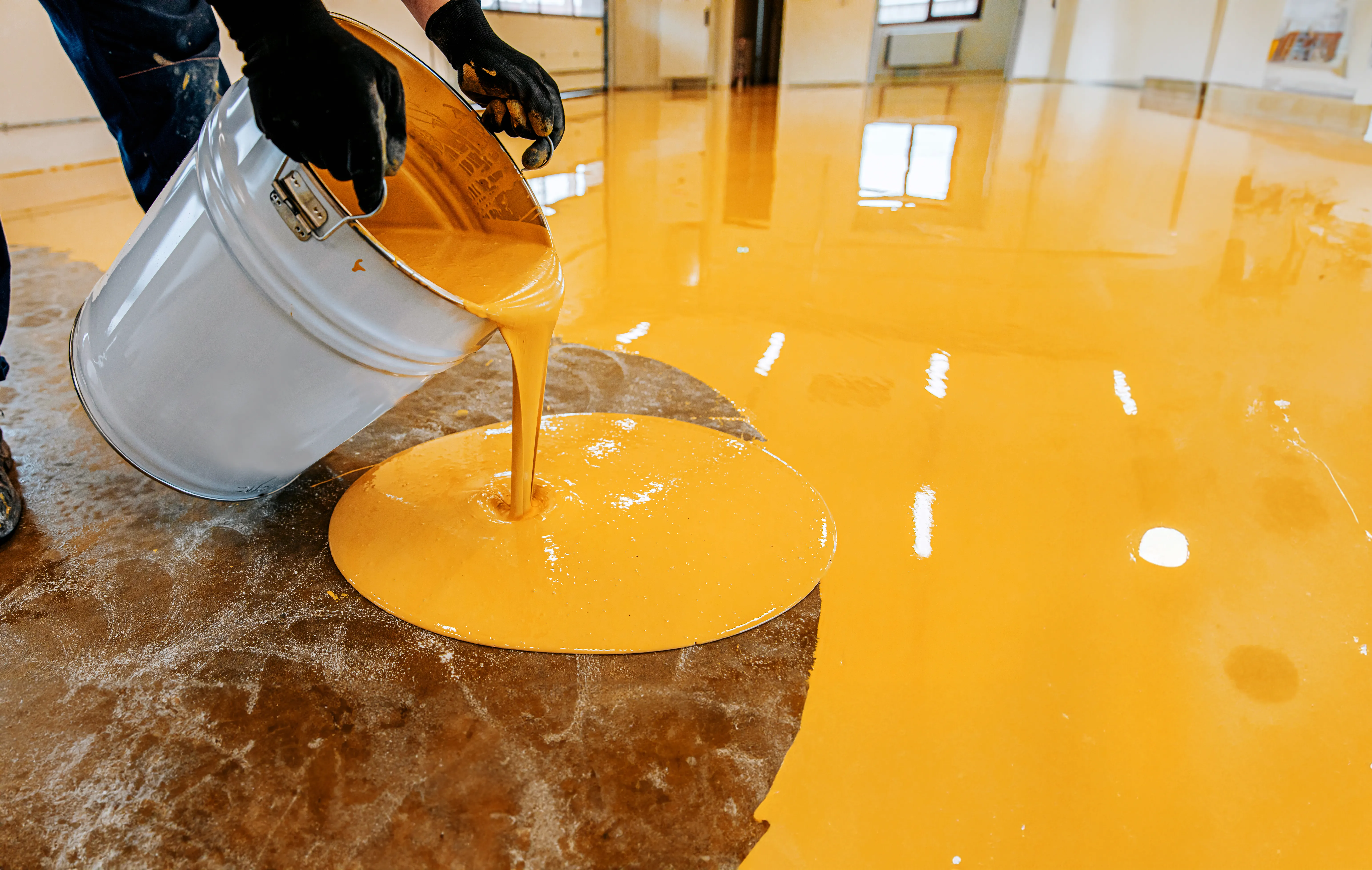
The most frequent resurfacing call we receive across Metro Vancouver is a garage floor where a DIY kit, or a low-quality previous installation, has begun to peel, bubble, or lift. In Vancouver's climate, water-based DIY epoxy systems typically last 2 to 5 years before the hot-tire pickup and moisture vapour pressure cause them to fail. Resurfacing these floors involves diamond grinding off the failed coating completely, repairing any cracks or damage exposed during grinding, and applying a 100% solids epoxy system with a polyaspartic topcoat that will last 10 to 15 years. Cost: $7 to $12/sq ft including old coating removal.
Basement Floor Resurfacing
Vancouver basement floors with failed paint, old sealer, or previous epoxy that has blistered from moisture vapour are among the most common resurfacing projects we handle. The combination of the Lower Mainland's high water table and the widespread practice of applying water-based sealers to below-grade slabs without moisture testing results in blistered, peeling, and mould-prone basement floors across the region. We grind the floor back to bare concrete, conduct moisture vapour testing, apply mitigation primer where required, and install a new basement epoxy system. Cost: $7 to $12/sq ft including removal and moisture prep.
Commercial Floor Resurfacing
Worn warehouse floors, deteriorated retail spaces, and commercial kitchens with failed urethane cement or epoxy are resurfaced rather than poured new. The disruption, cost, and downtime of a new pour is rarely justified when a proper resurface restores function and appearance. Overnight and weekend scheduling can be arranged for commercial resurfacing to keep operational downtime low. Cost varies by system and facility type; see our commercial epoxy page for details.
Concrete Resurfacing: General Slabs
Bare, stained, dusty or damaged concrete that has never been coated is also a candidate for resurfacing, in this case meaning a first-time coating on a previously uncoated slab. The prep process is the same: diamond grinding to the correct surface profile, crack repair, and application of a new system. "Concrete resurfacing near me" searches in Vancouver often refer to this category: damaged or unattractive concrete driveways, patios, and commercial slabs that need a new surface without a full pour.
Why Epoxy Floors Fail in Vancouver: And How We Fix It
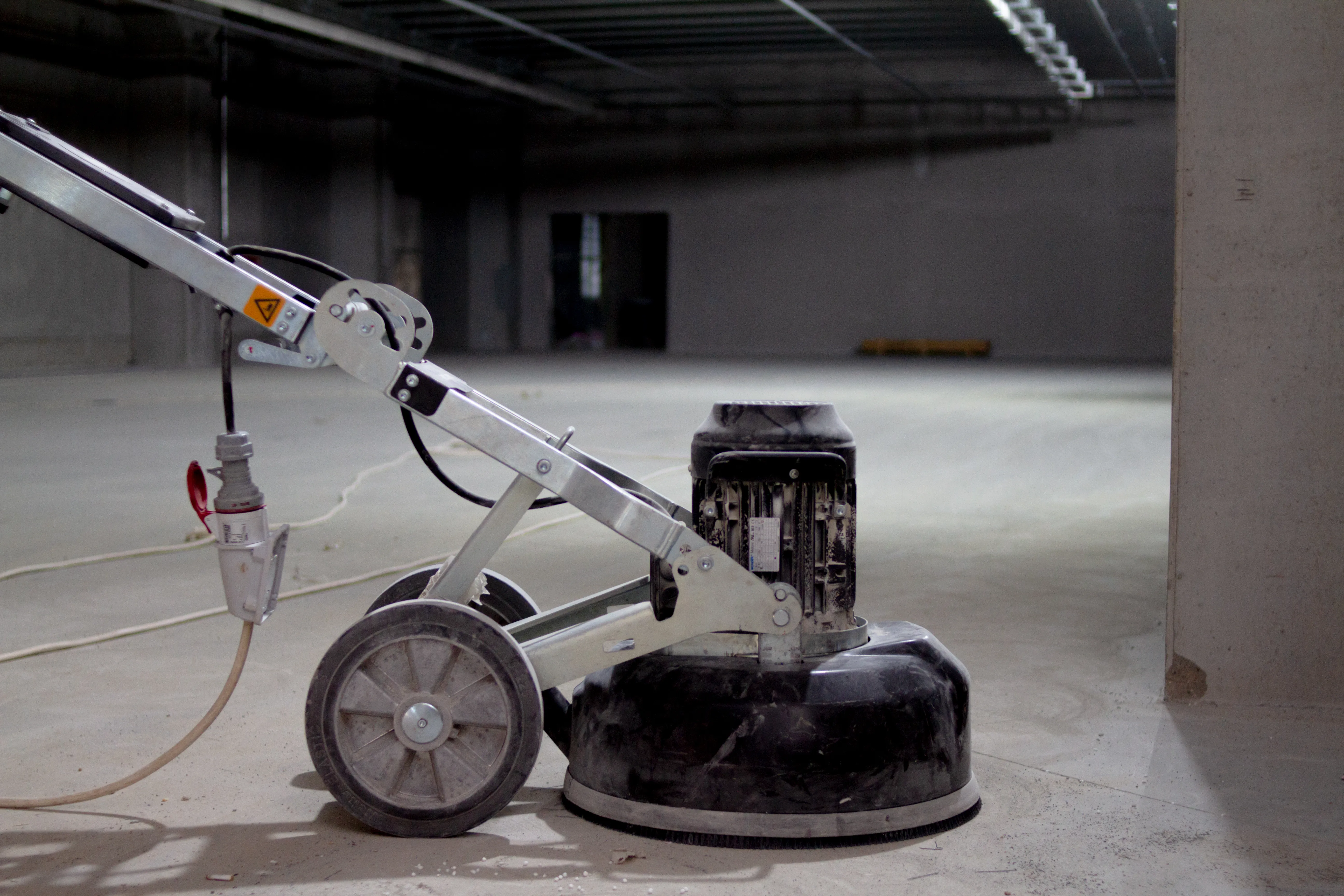
Understanding why a floor failed is as important as fixing it. Applying a new system over the conditions that caused the previous failure just creates the same result. Here are the most common failure causes we see in Metro Vancouver:
- Inadequate surface preparation: Acid etching instead of diamond grinding. Acid opens the concrete pores partially; grinding opens them fully and removes the weak surface layer. Most DIY kit failures trace back to this single step.
- Moisture vapour not tested or mitigated: The most common cause of blistering and delamination on Vancouver basement and ground-level slab floors. Vapour pressure builds under the coating and forces it off the surface from beneath. Our guide to moisture vapour and epoxy flooring in Vancouver explains the ASTM testing process, which neighbourhoods are highest risk, and how vapour barrier primer prevents repeat failure.
- Water-based or low-solids products: Consumer epoxy products from hardware stores typically contain 30 to 50% solids. Professional 100% solids systems are an entirely different product: denser, harder, and far more adhesion-capable on a properly prepared surface.
- Application outside temperature range: Epoxy applied in cold or excessively humid conditions does not cure correctly. In Vancouver's wet winters, temperature and humidity control during installation matters.
- Coating over a previous failed coating: Layering a new product over an existing failed one transfers no additional adhesion. The new coating bonds only as well as the old one does to the concrete below it, which in a failed floor is not at all.
For every resurfacing project, we identify the cause of the previous failure before specifying the new system. This ensures the repair addresses the root cause rather than just the symptom.
Reference: WorkSafeBC silica guidelines govern the diamond grinding and surface preparation practices used in every resurfacing project.
How We Resurface Floors in Vancouver
- Free on-site assessment: We inspect the existing surface, probe cracking, test for moisture vapour, identify the cause of failure, and recommend the correct approach. Written quote provided before any work is committed.
- Failed coating removal: Diamond grinding removes all existing paint, sealer, epoxy or failed coating to bare concrete. The depth of grinding depends on coating thickness and adhesion state. Loosely adhering coatings come off in a single pass; well-bonded coatings may require multiple passes.
- Concrete repair: All cracks, spalls and surface defects exposed during grinding are repaired with epoxy repair mortar before any coating is applied. We do not coat over unaddressed damage.
- Moisture testing and mitigation: Calcium chloride or probe test confirms vapour emission. Mitigation primer applied where required, and non-negotiable on Vancouver below-grade slabs that read above threshold.
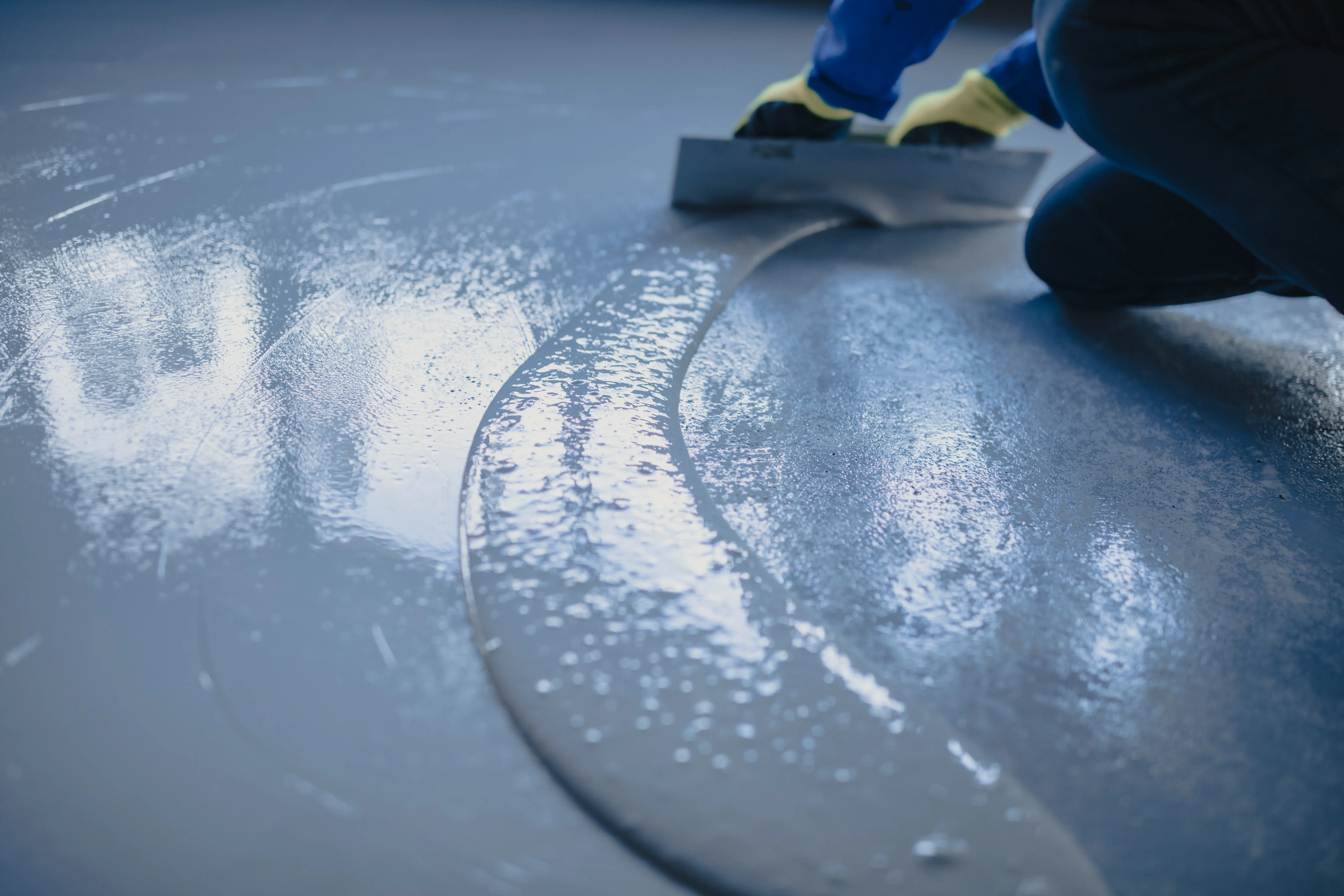
- New system installation: Penetrating primer, body coat, decorative elements (flake or metallic), and polyaspartic topcoat with anti-slip aggregate. Same process as a new installation, because after proper grinding, it effectively is one.
- Handover: Written warranty, care instructions, and 30-day follow-up inspection.
Epoxy Resurfacing Cost in Vancouver, 2026
Floor resurfacing costs slightly more than a new installation on bare concrete because of the existing coating removal step, which is assessed on site and included in your written quote. Here is the 2026 pricing range for resurfacing projects across Greater Vancouver:
| Project Type | Price Range | Notes |
|---|---|---|
| Garage: DIY kit removal + new flake system | $6 to $12 / sq ft | New flake system; old coating removal assessed on site and included in your written quote |
| Garage: thin paint removal + new solid system | $5 to $10 / sq ft | Thin paint typically comes off in 1 or 2 grinding passes |
| Basement: coating removal + new system + moisture | $5 to $12 / sq ft | Moisture test included; any mitigation primer included in your written quote |
| Commercial: worn floor removal + new system | Quoted on assessment | Varies by facility type, system, and scheduling |
| Bare concrete: first-time coating (not resurfacing) | $5 to $12 / sq ft | No removal step, lower prep cost |
2026 rates for Metro Vancouver. All prices include diamond grinding, crack repair, primer, body coat and polyaspartic topcoat. GST (5%) additional. Final pricing confirmed at free on-site assessment. See our full epoxy flooring cost guide.
Floor Resurfacing Vancouver: Frequently Asked Questions
Concrete Resurfacing Across Greater Vancouver
We resurface epoxy and concrete floors throughout Metro Vancouver and the Fraser Valley. Exterior slabs are covered on the patio and porch coating page.
Get a Free Floor Resurfacing Assessment in Vancouver
Share your project details below. We will recommend whether resurfacing or replacement is the right approach and provide a written quote with no obligation.