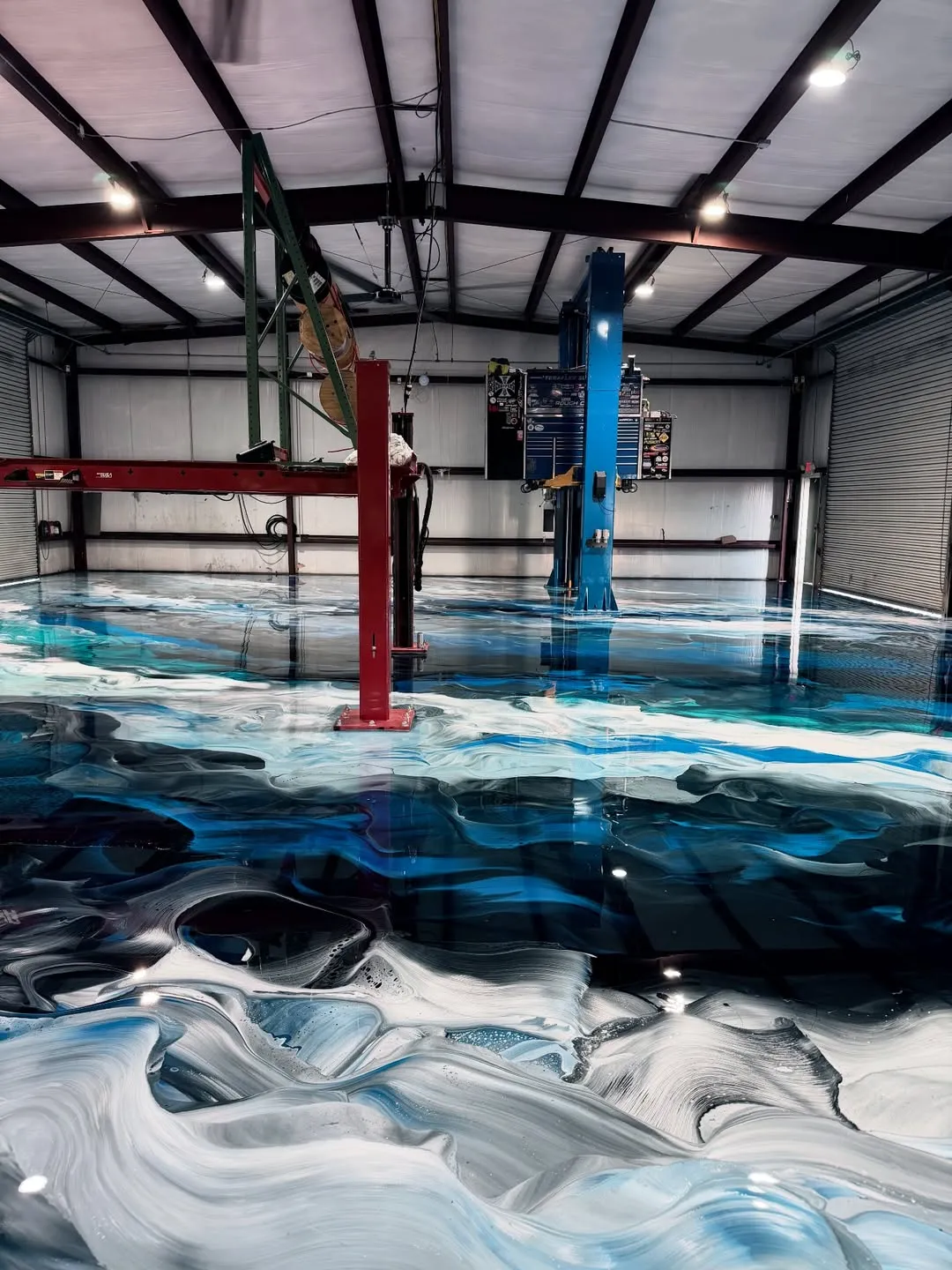
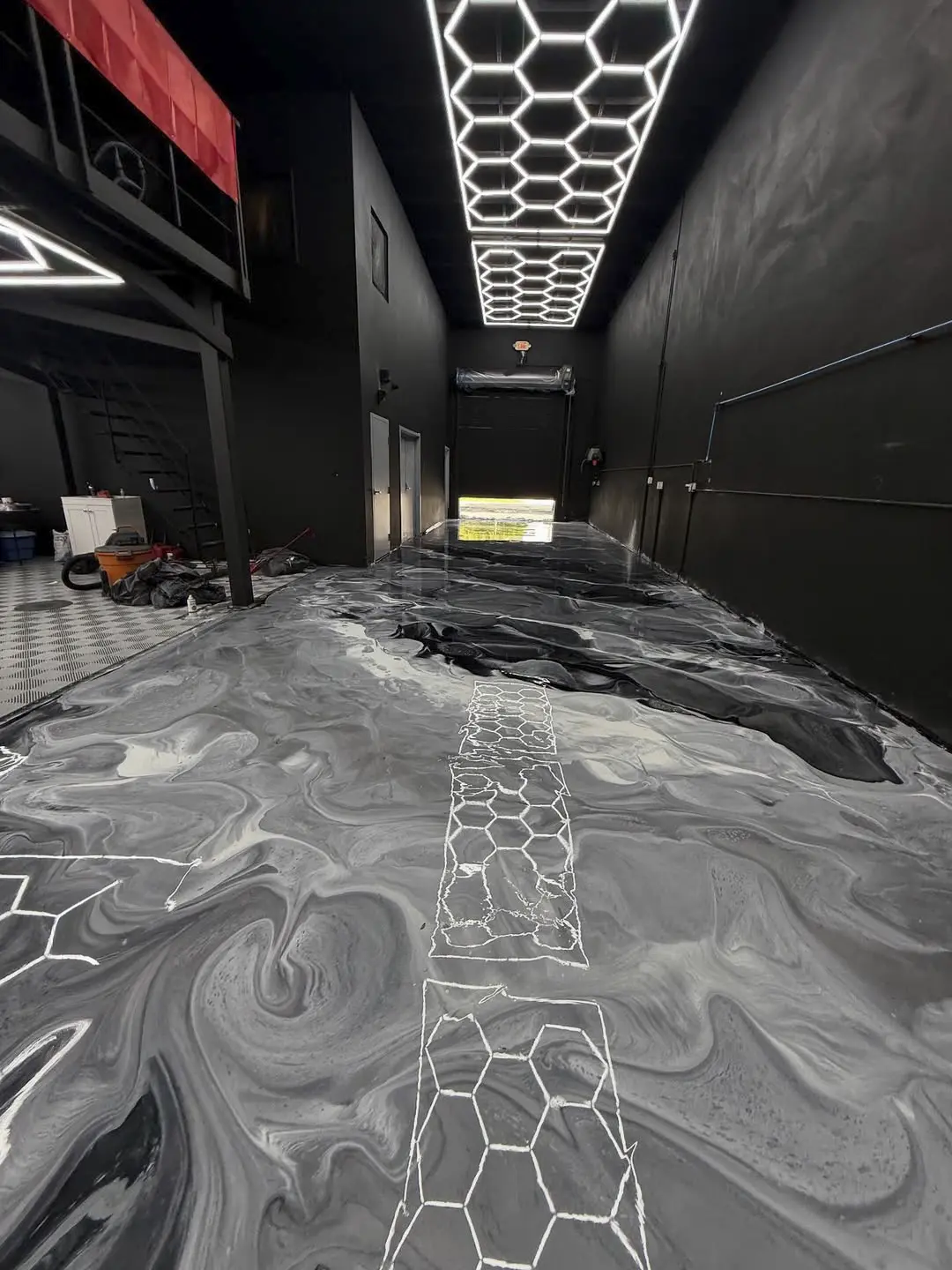
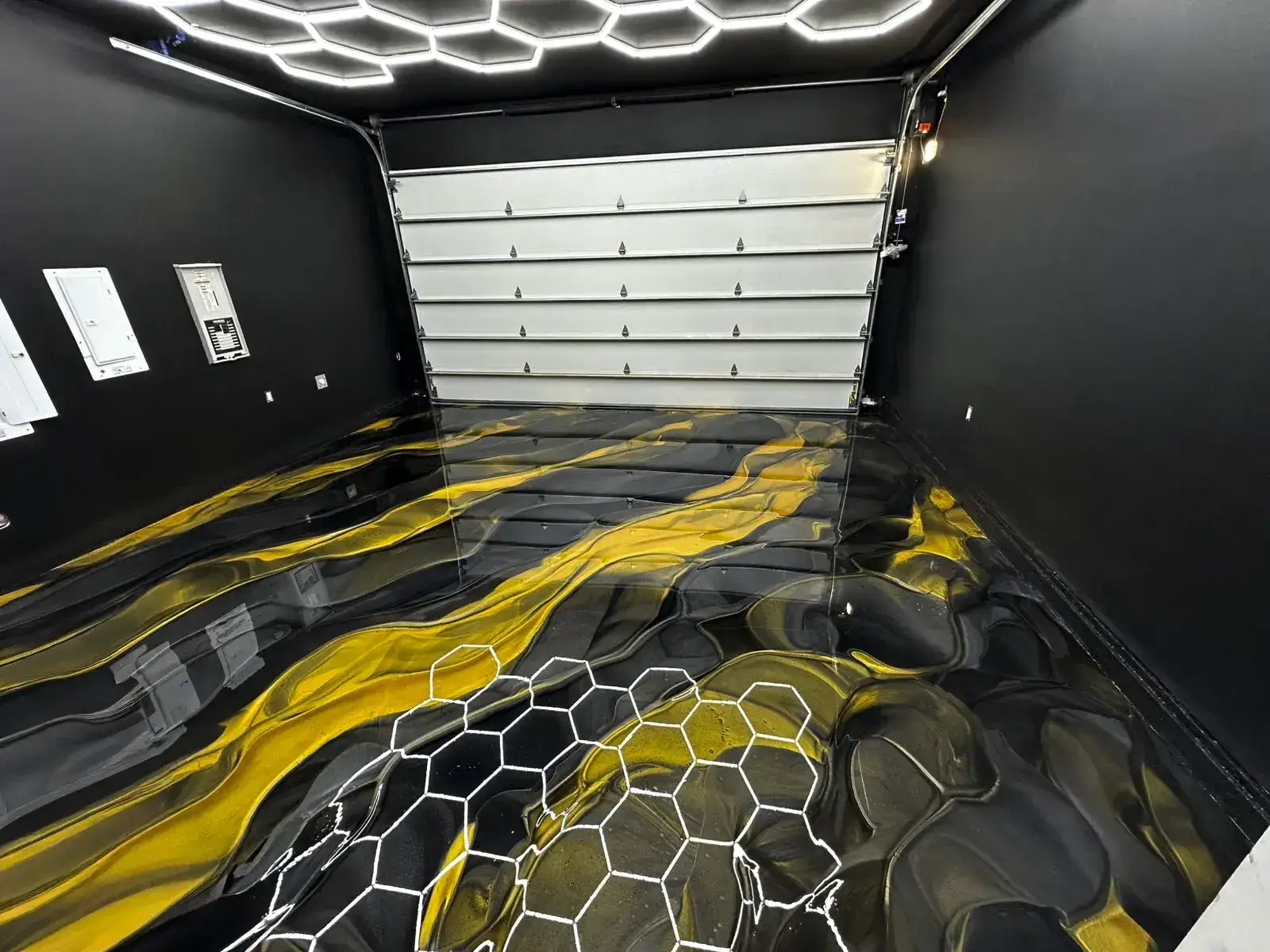
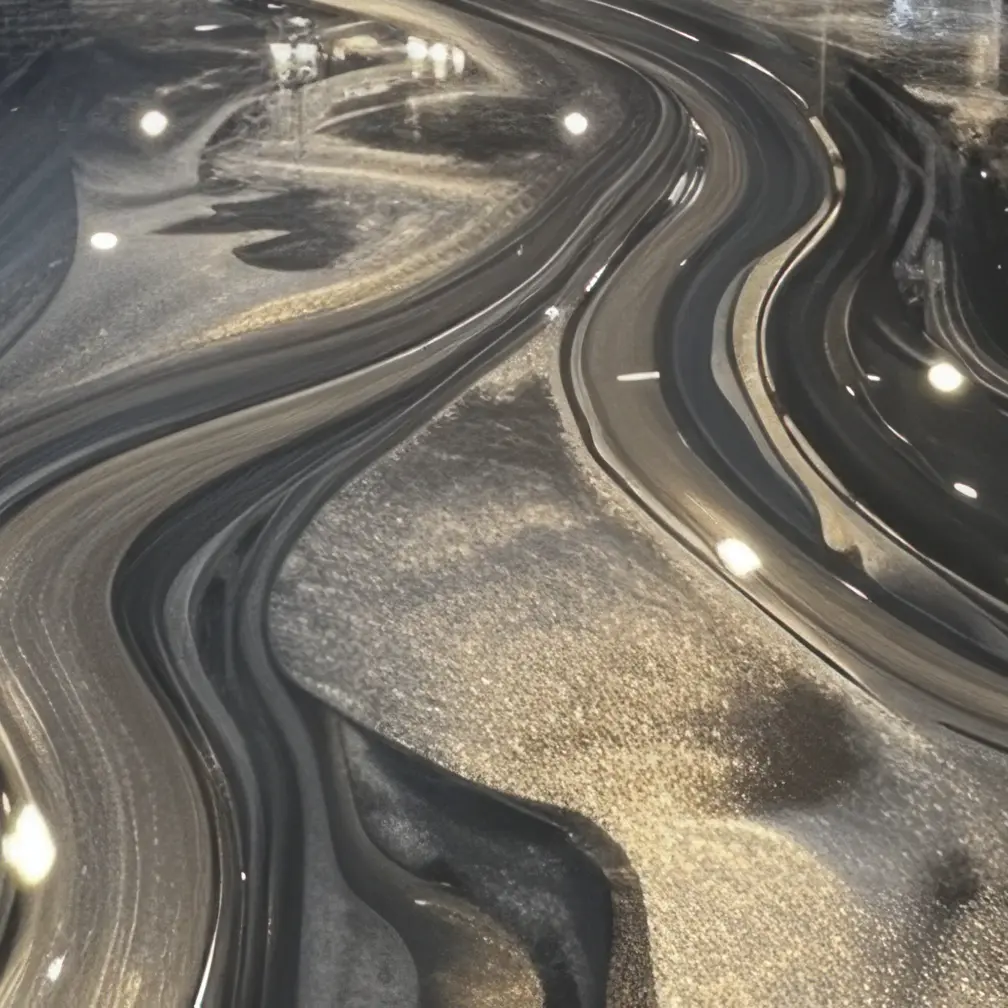


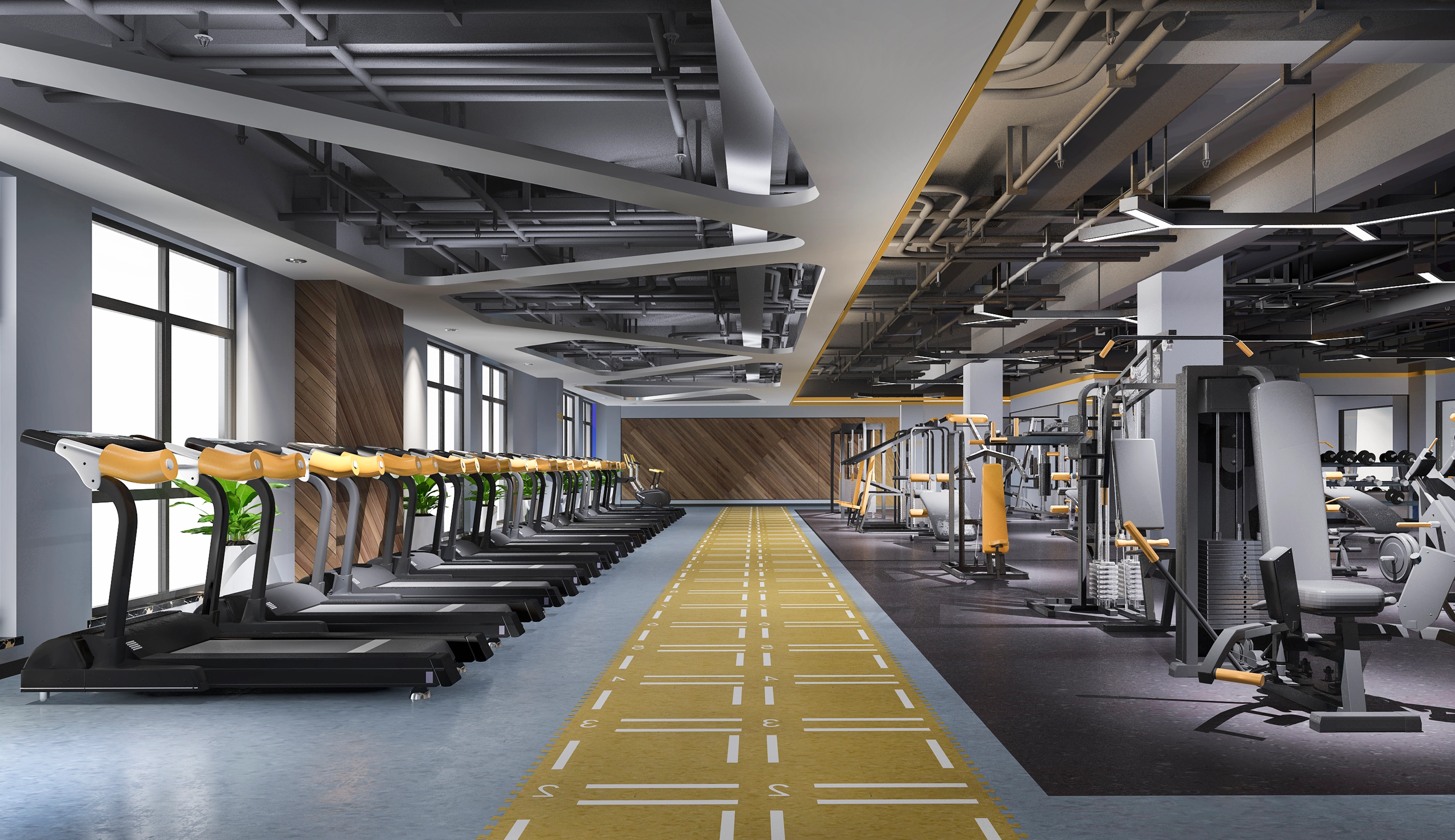
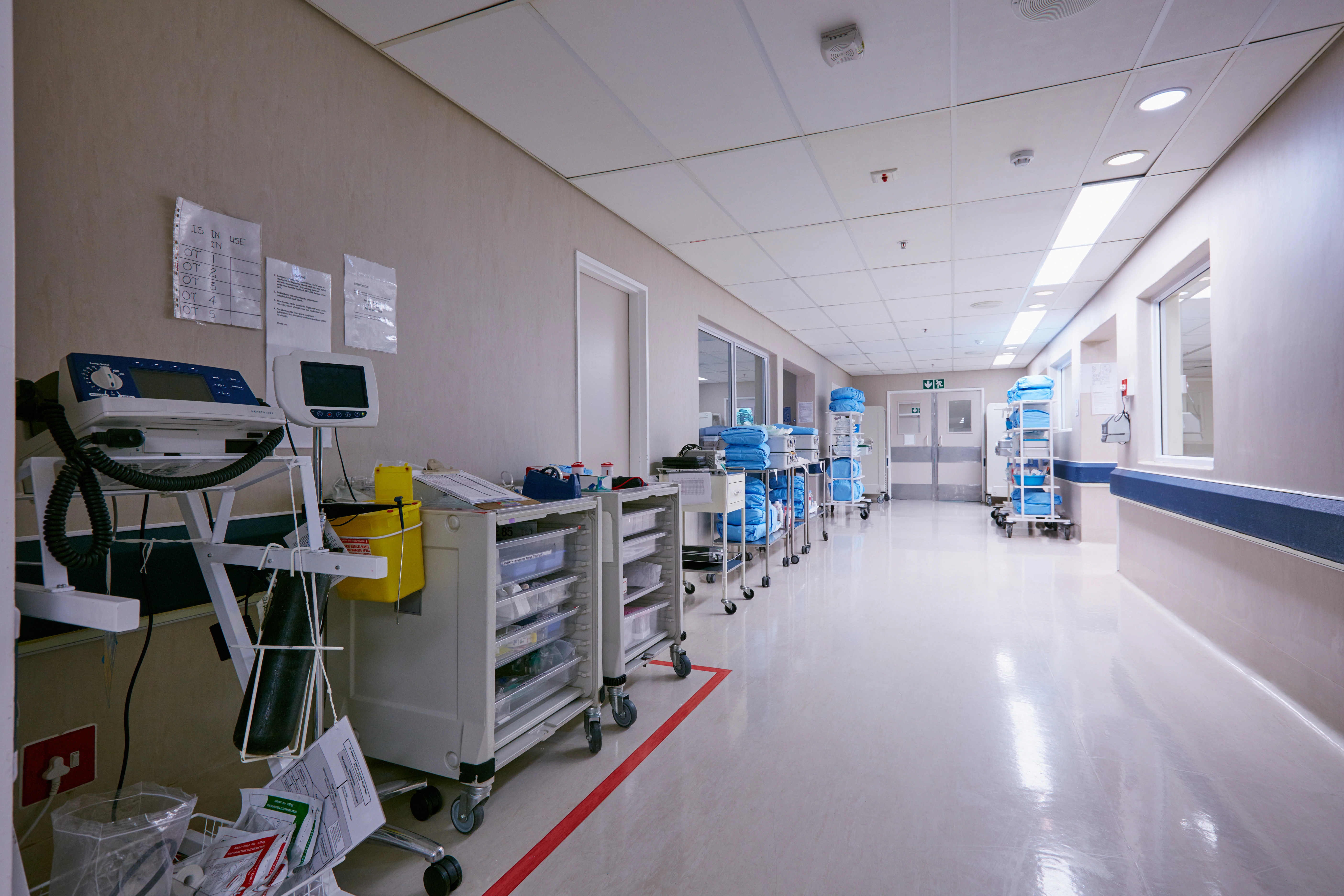
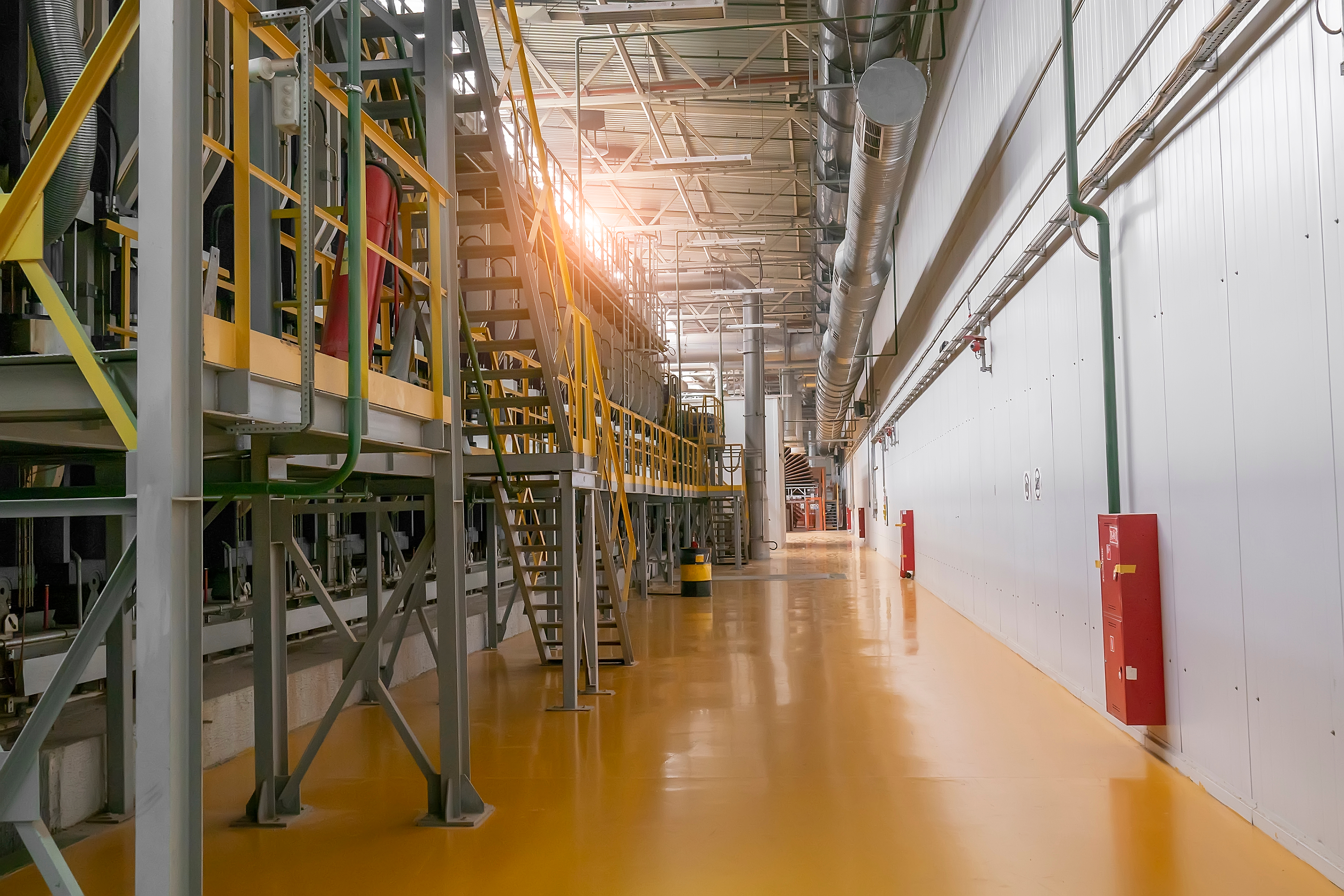
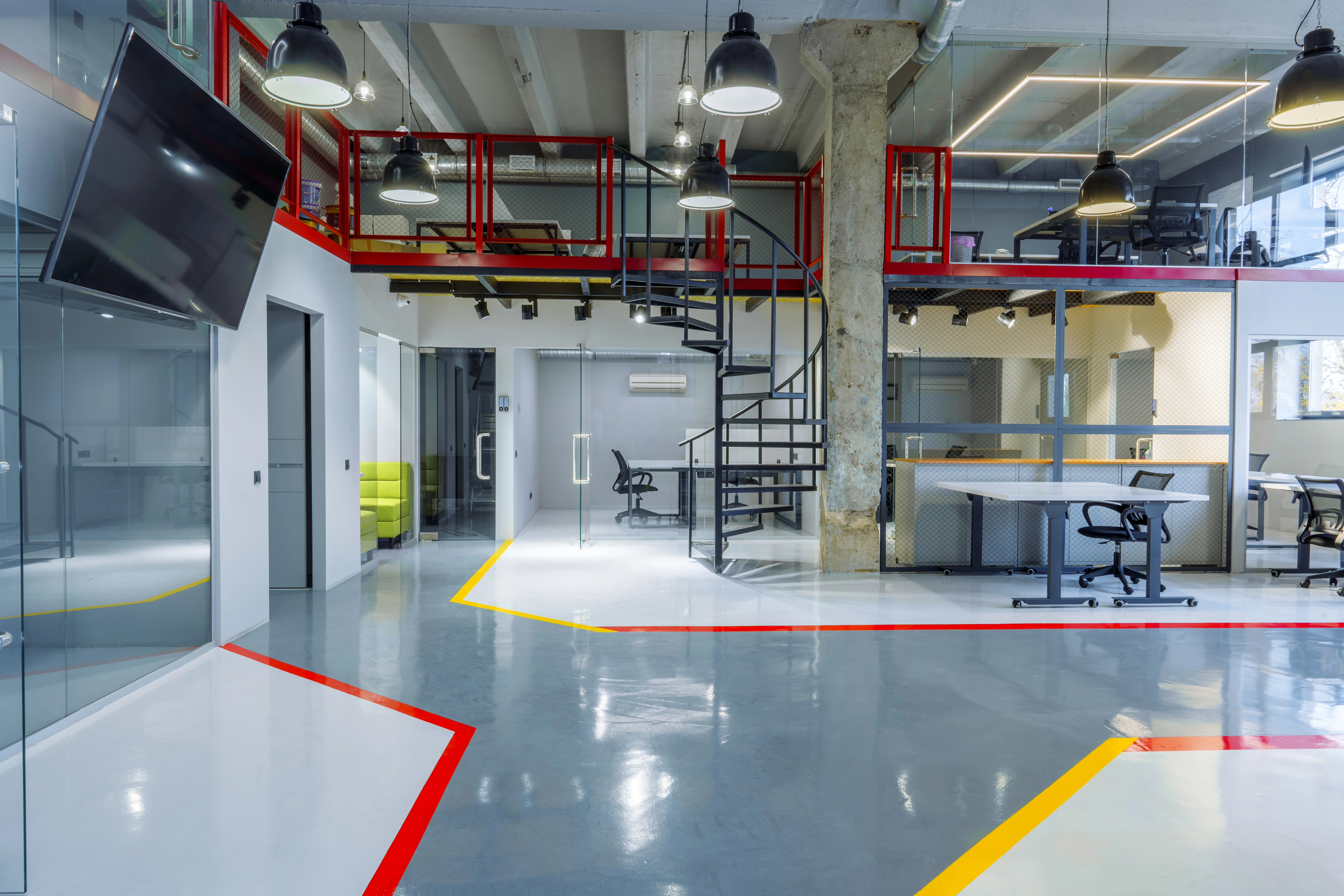
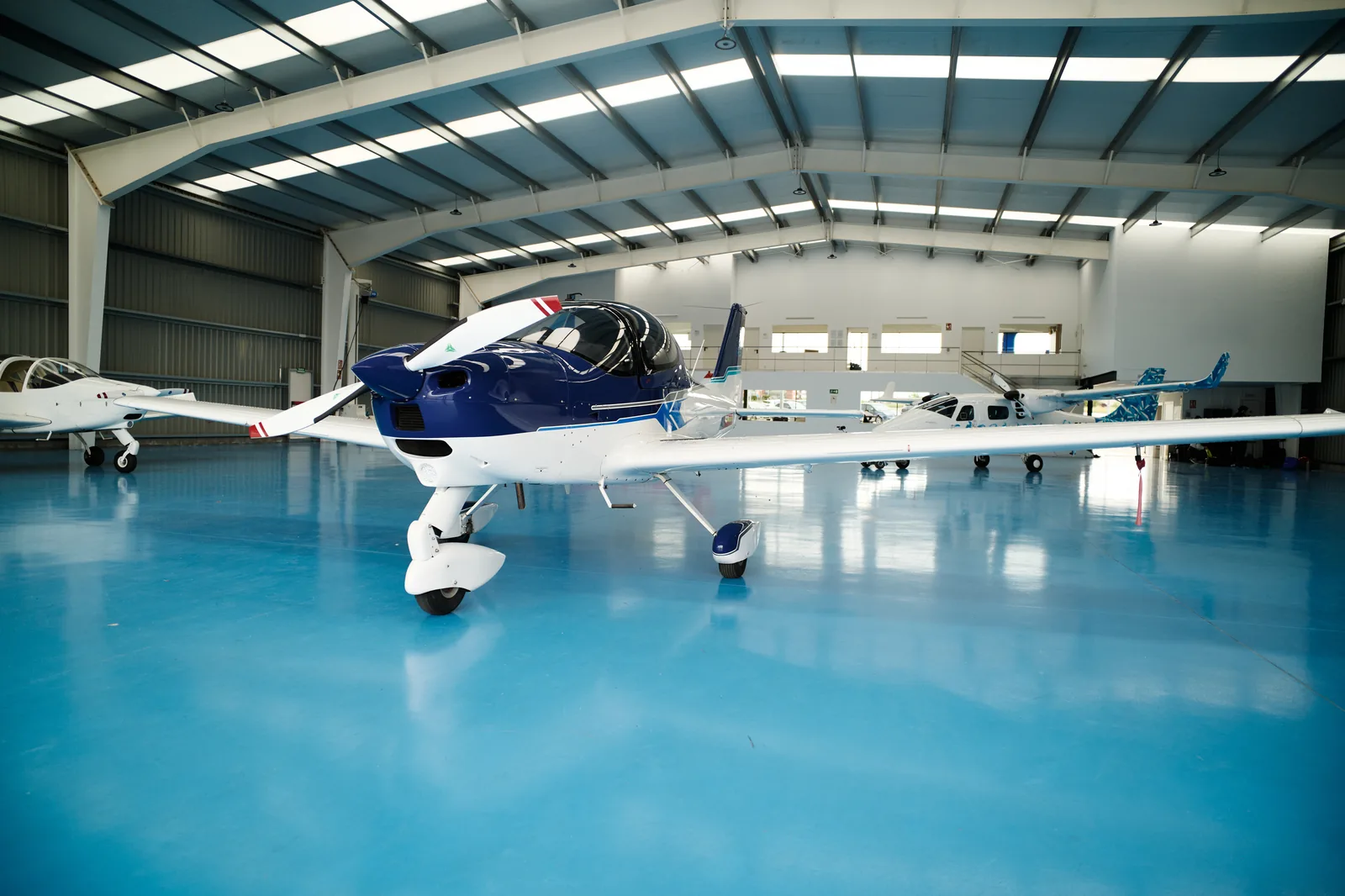

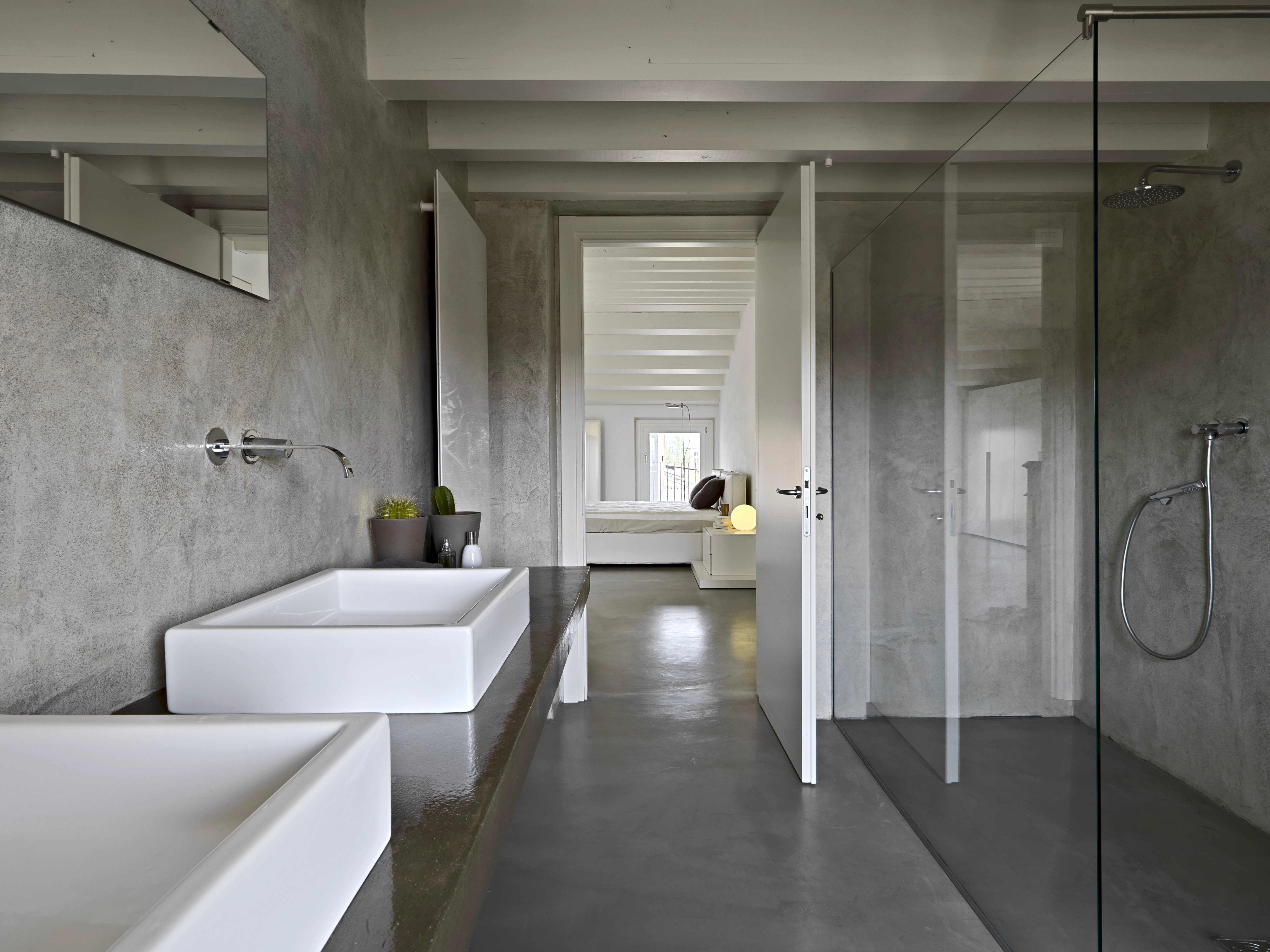
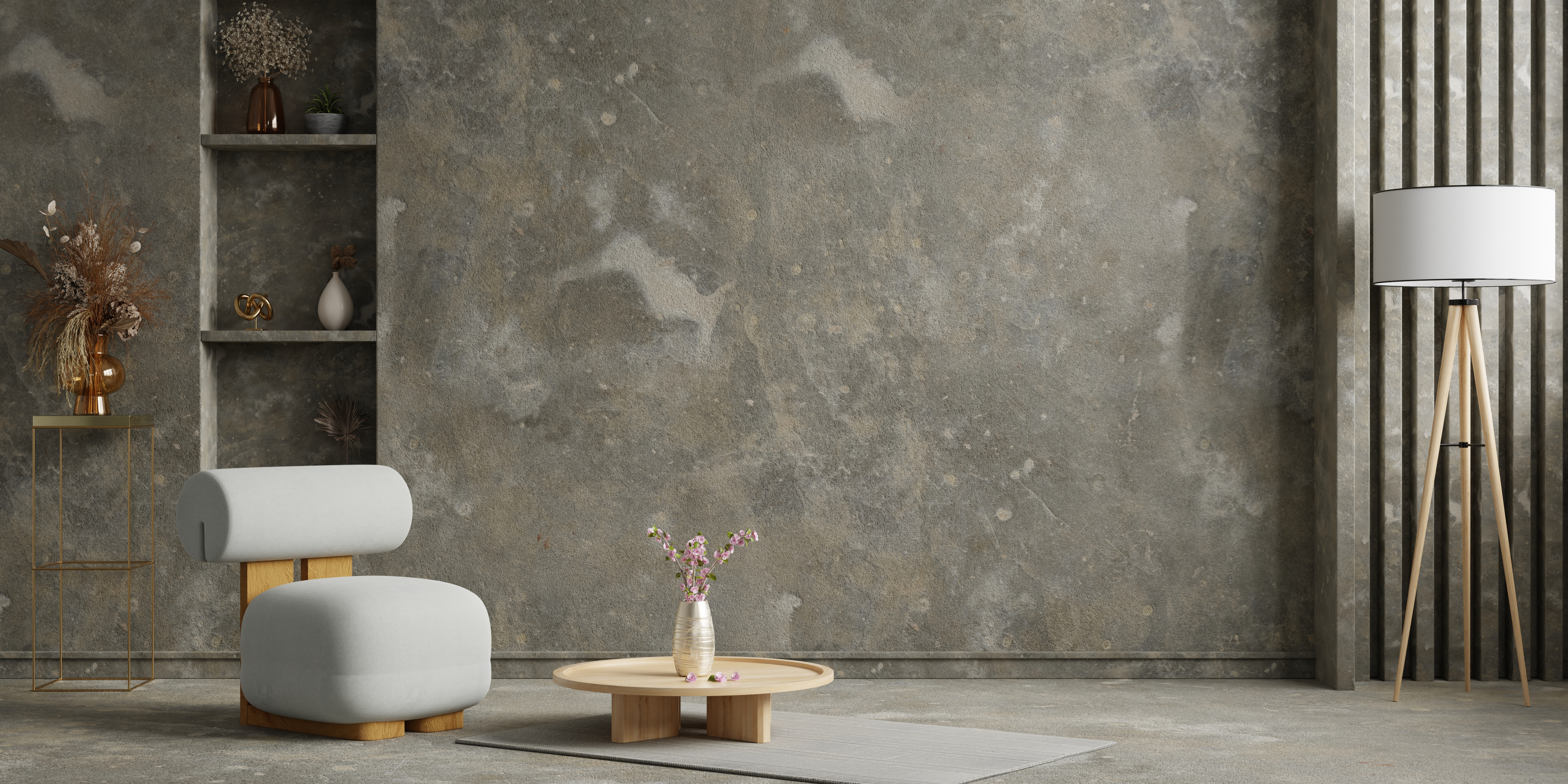
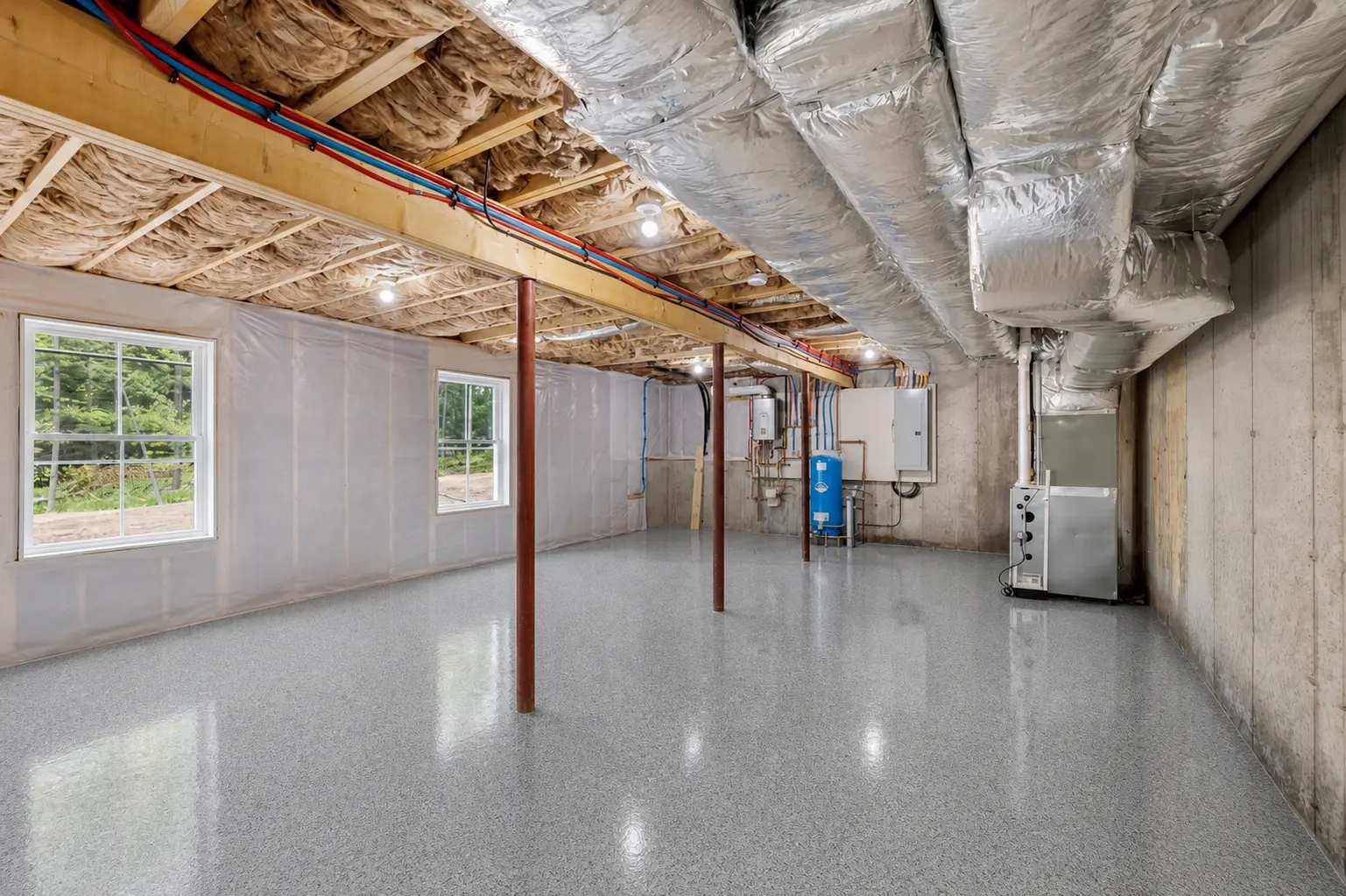
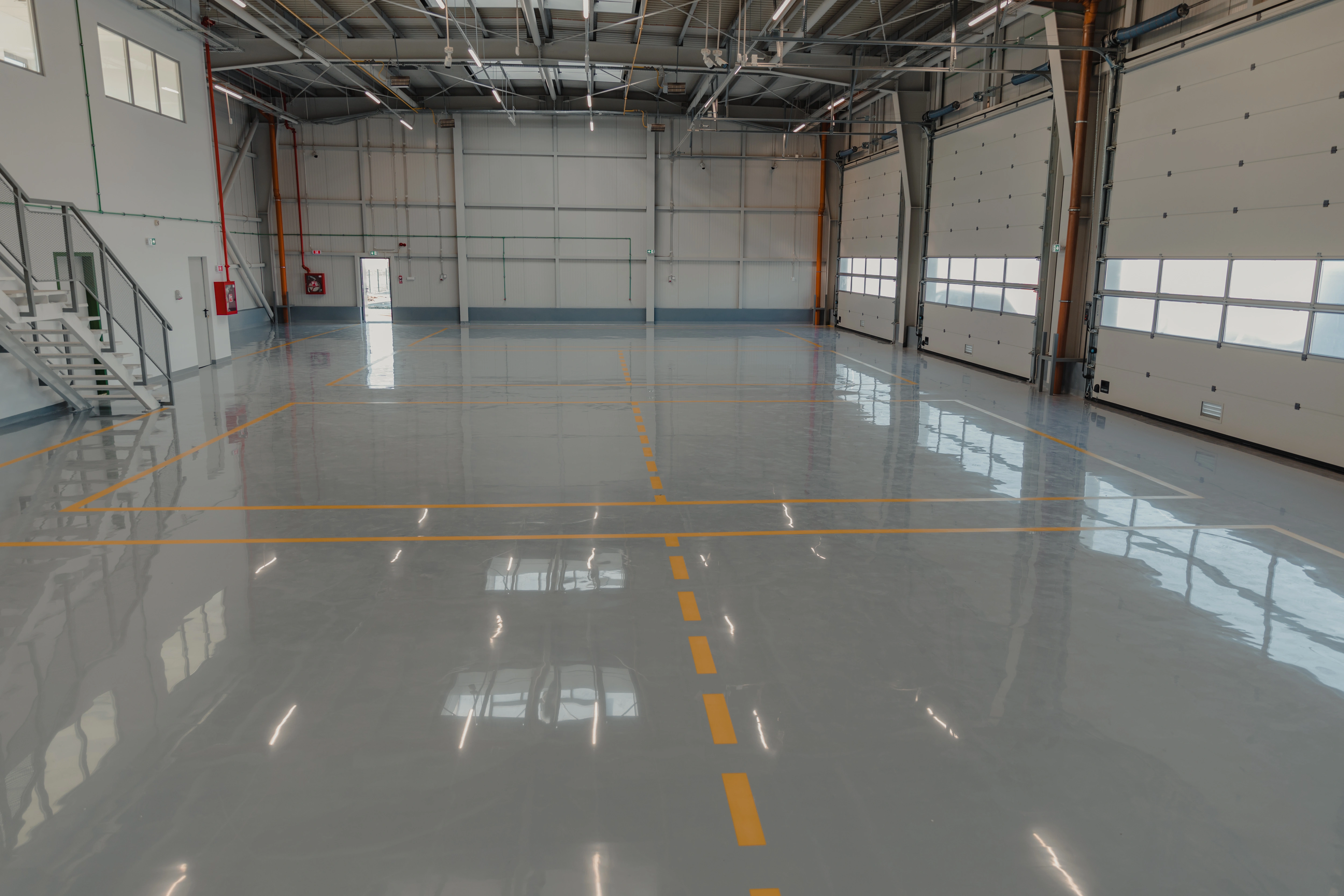
Real installations across Greater Vancouver: garages, commercial spaces, and everything in between.
This epoxy flooring gallery for Vancouver shows finished installations our team has completed across the Lower Mainland: residential garages in North Vancouver and Burnaby, showroom floors in Surrey and Richmond, restaurant kitchens meeting VCH standards, and commercial warehouse floors from Delta to Abbotsford. Every project starts with the same three steps: diamond grinding, moisture testing, and a written on-site assessment. What varies is the finish system on top.
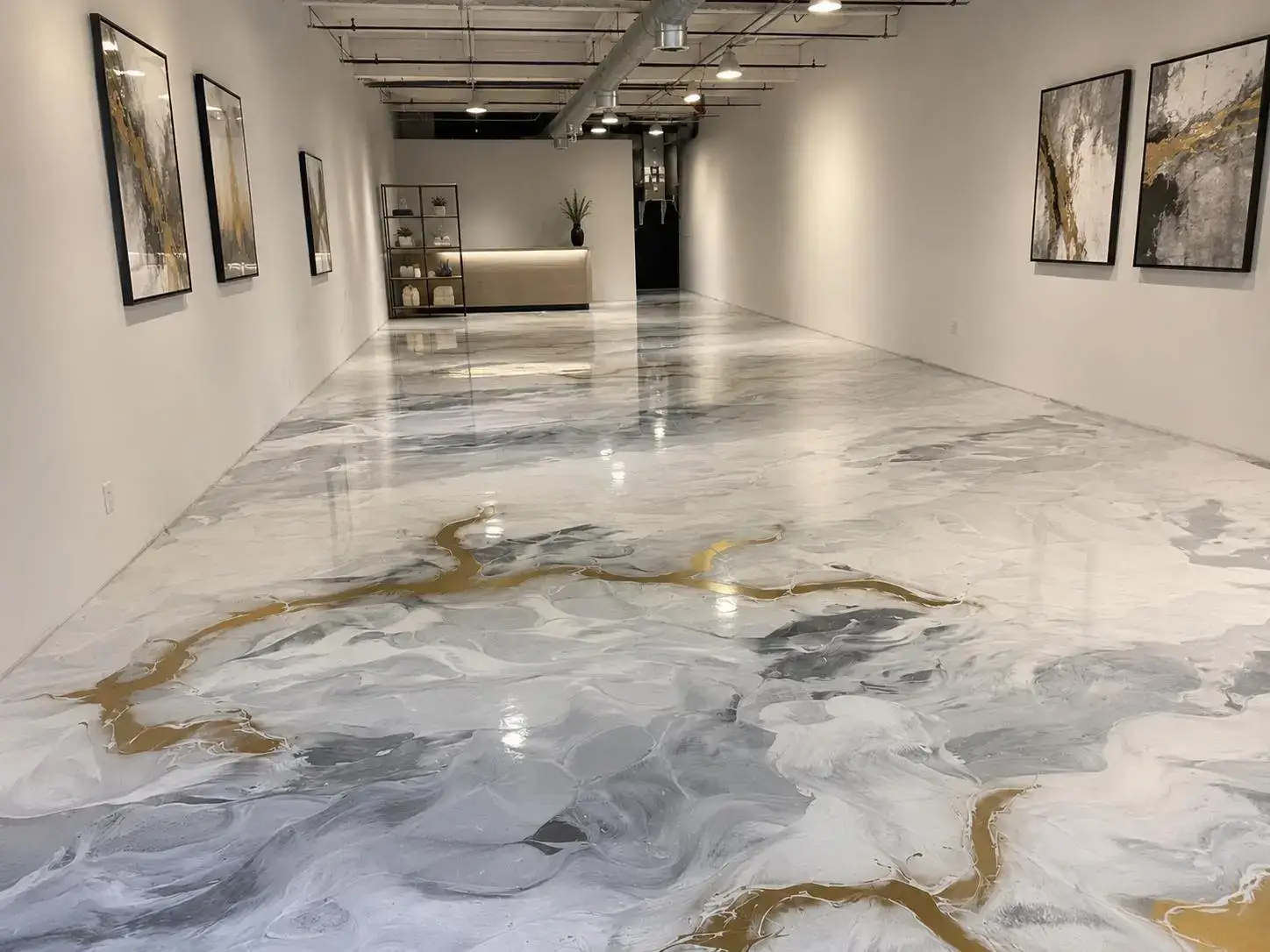
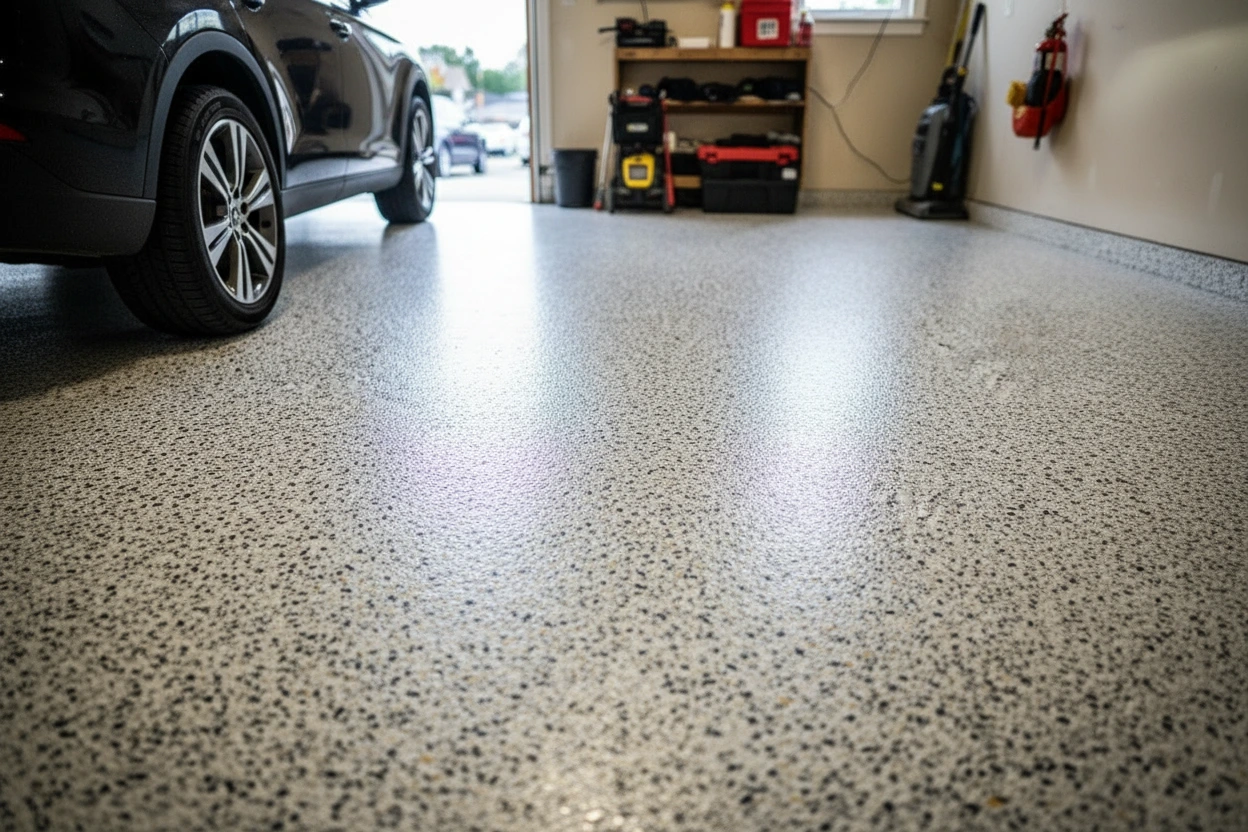
Filter the grid by system to see specific work: flake epoxy floor broadcast installs are the most popular residential choice, metallic epoxy installs show the liquid-swirl finishes we install in showroom garages and feature rooms, polished concrete shows mechanically ground and densified slabs used in strata lobbies and open-plan homes, and the commercial and commercial kitchen categories cover warehouse, restaurant, and food service work. Click any photo to view full size. To discuss your project, request a free on-site quote or see our Vancouver epoxy flooring cost guide.
Every photo in this gallery is a completed project installed by our team across Greater Vancouver BC, including Vancouver, Burnaby, Surrey, Langley, North Vancouver, Richmond, and the wider Lower Mainland. The work spans residential garages, finished basements, commercial warehouses, retail spaces, auto repair shops, and industrial facilities.
Each project starts the same way regardless of the finish: diamond grinding the concrete to the correct surface profile, moisture testing the slab, crack repair, and proper primer before a single coat of colour goes down. The finishes you see here (flake broadcast, metallic epoxy, solid colour, polished concrete, and microcement) all share the same foundation of proper surface preparation, which is why they look this way years after installation.
Use the filter buttons above to browse by finish type. If you see something that suits your space, call or send us a message for a free on-site quote. We assess your slab, discuss the finish options that work for your conditions, and provide a written quote before any work is committed. No pressure, no obligation.
All installations shown use 100% solids commercial-grade epoxy and polyaspartic systems, not the water-based kits available at hardware stores. The difference in longevity is significant, and the photos reflect it.
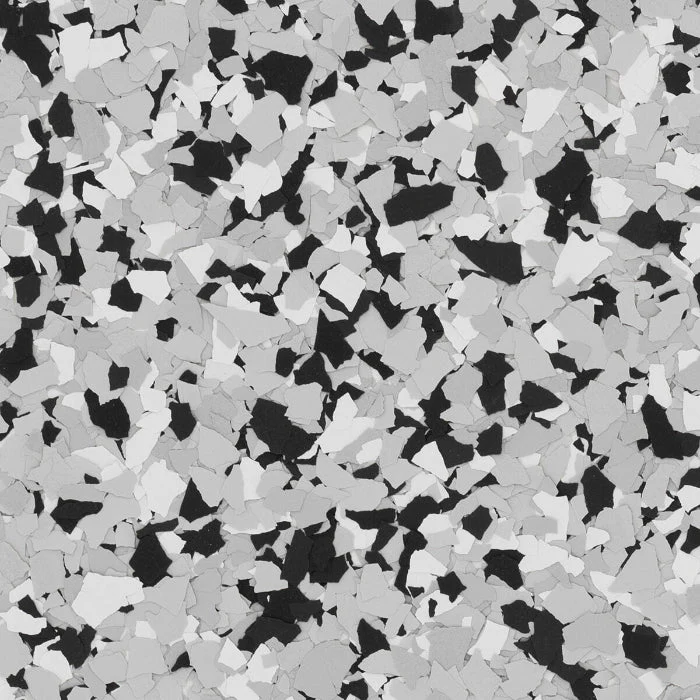
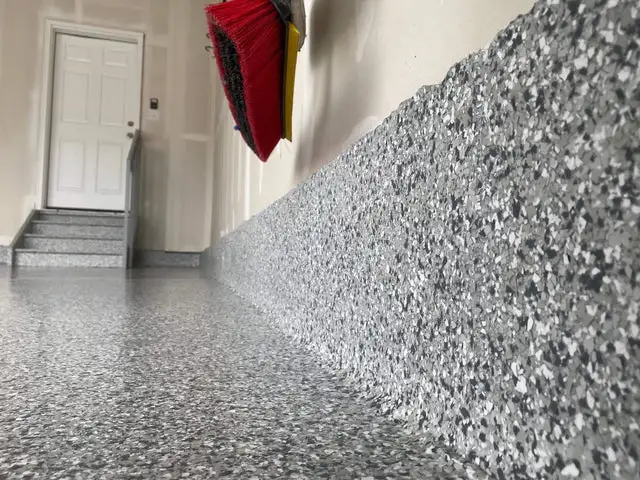
The flake broadcast system is the most popular residential garage choice in Vancouver. A high-build epoxy base coat is applied over the prepared concrete, then vinyl colour flakes are broadcast into the wet surface at full coverage density. A polyaspartic topcoat locks everything in and provides UV stability, chemical resistance, and anti-slip texture. The result hides imperfections, masks tire marks, and cleans easily with a hose or mop. Flake systems typically last 10 to 15 years with minimal maintenance. Current Vancouver pricing by system is in our epoxy flooring cost guide.
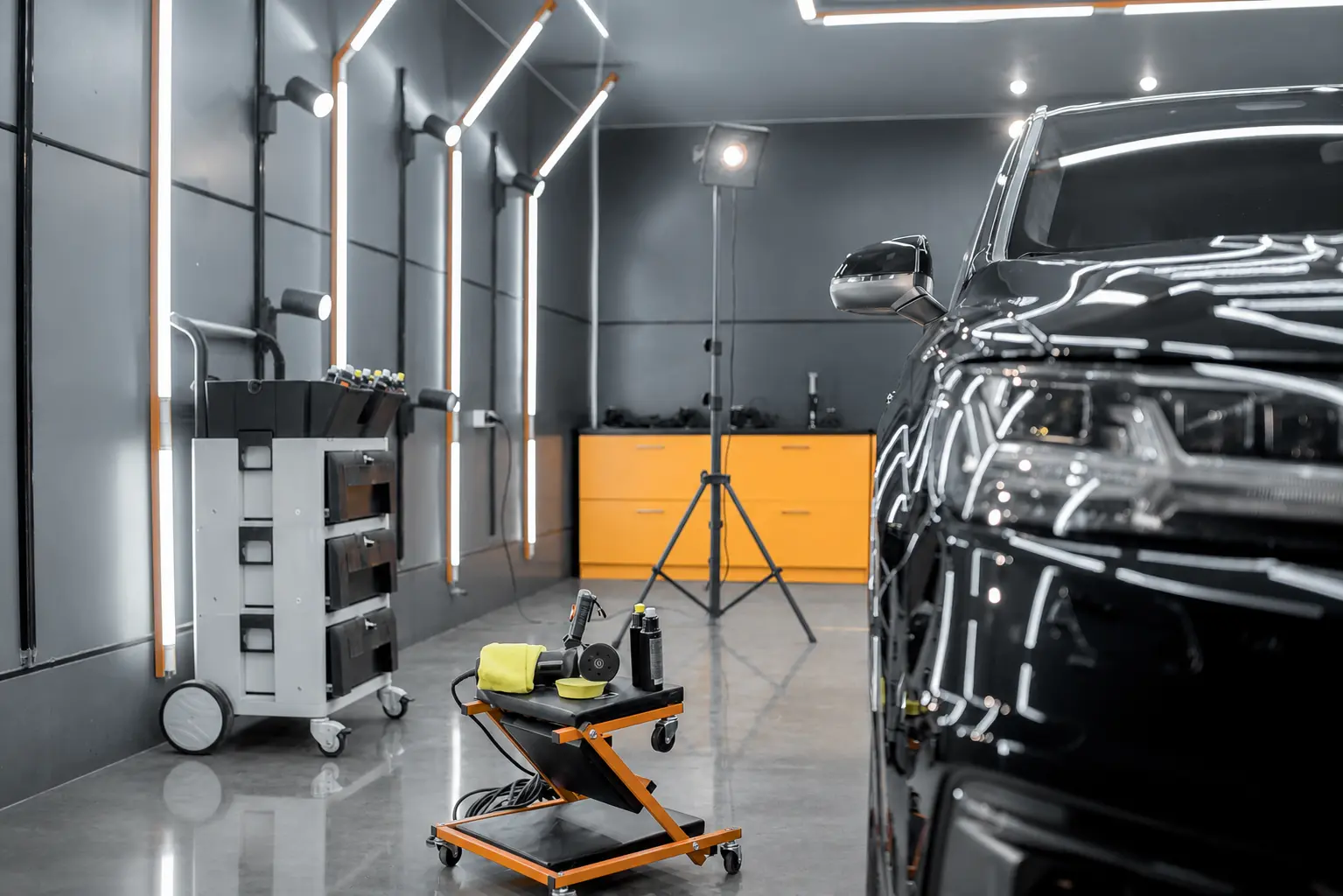
Metallic epoxy uses metallic pigment suspended in a clear or lightly tinted epoxy base. The applicator works the wet material with squeegees and rollers to create the swirling, three-dimensional patterns visible in the gallery. No two metallic floors are identical; the finish is inherently one-of-a-kind. It is most popular in showroom garages, feature interior rooms, retail spaces, and commercial lobbies where a premium decorative floor is the goal. A UV-stable polyaspartic topcoat is applied over the metallic layer to prevent yellowing. Metallic is the premium tier of the systems shown in this gallery, priced per project based on floor size and design complexity.
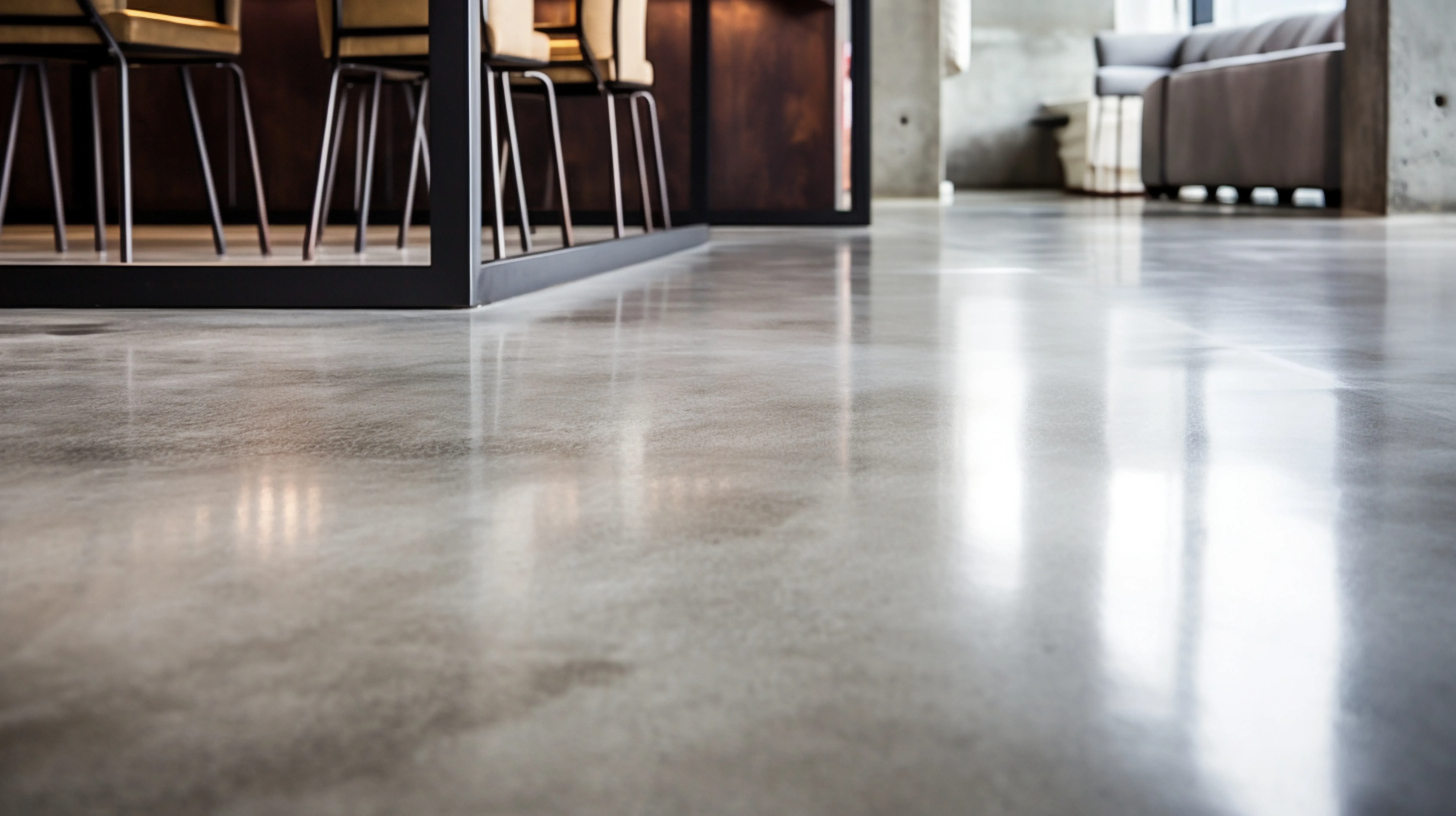
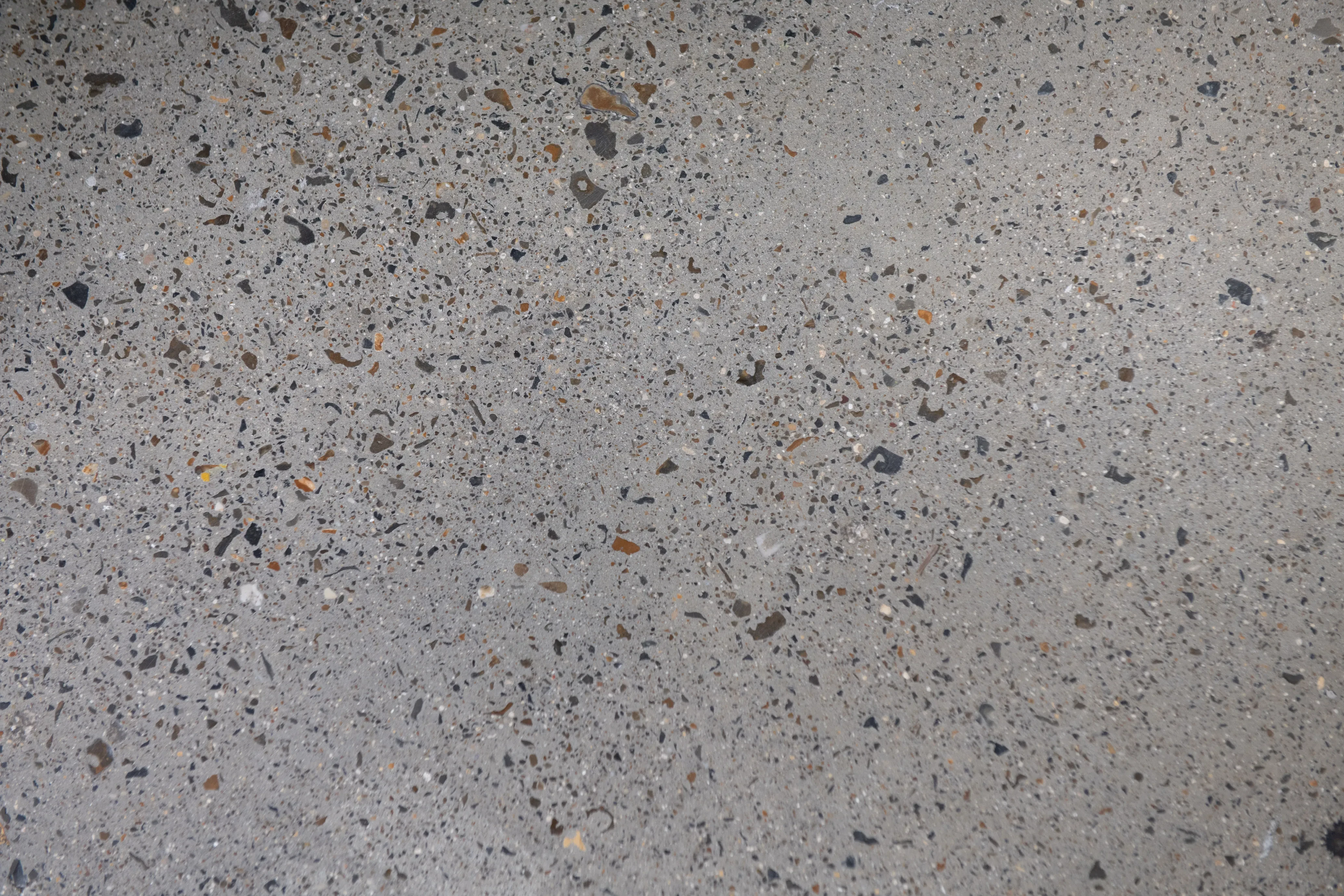
Polished concrete is not a coating. It is the concrete itself, mechanically ground and refined to a mirror or satin sheen using diamond tooling at progressively finer grits. A densifier hardens the surface and a topical sealer is applied to close the pores. The result is a permanent floor that cannot peel, chip, or delaminate because there is nothing adhered to it. Polished concrete is popular in strata building lobbies, open-plan residential homes, and commercial spaces where a low-maintenance, long-lived floor is the priority. Lifespan is 20 to 30 years with periodic re-sealing. Pricing depends on the existing slab condition and the gloss level specified, so every polished concrete quote follows an on-site assessment.
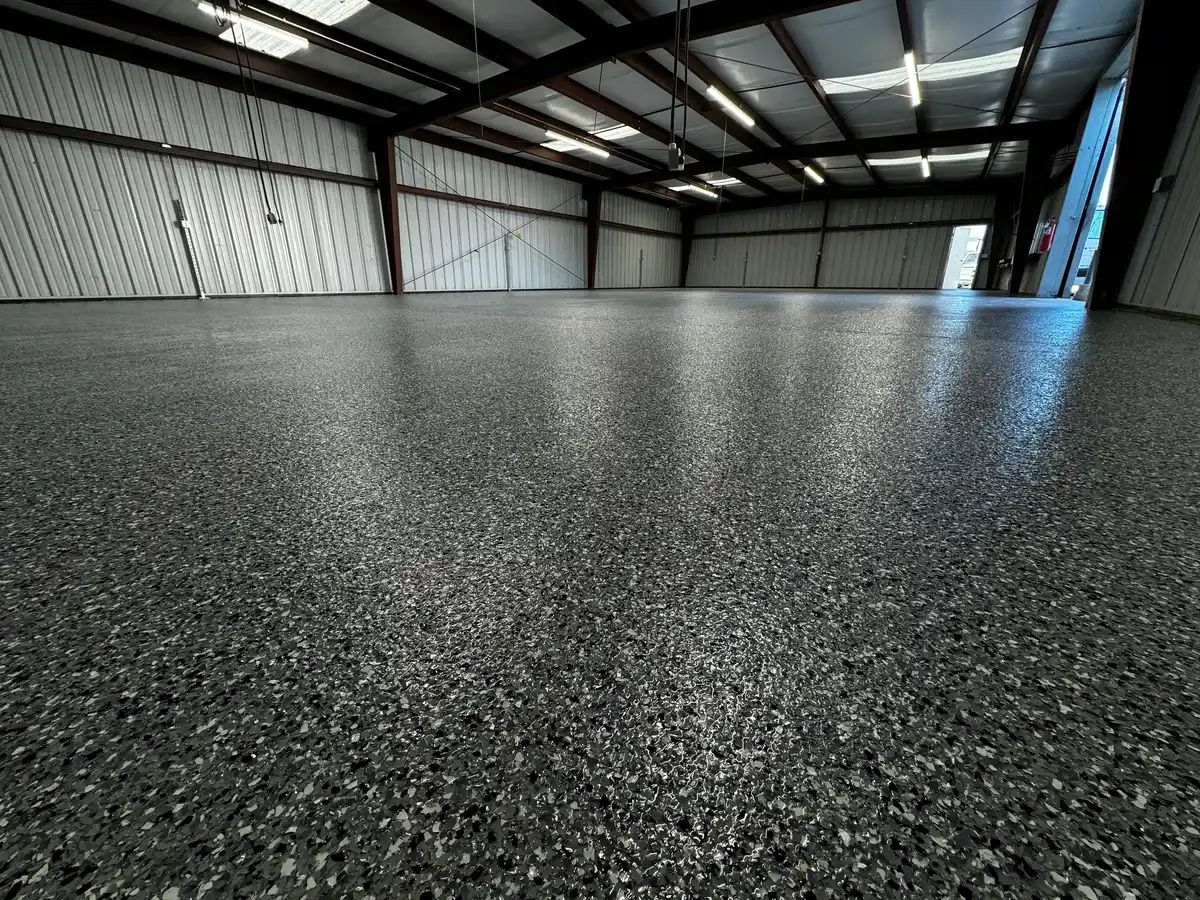
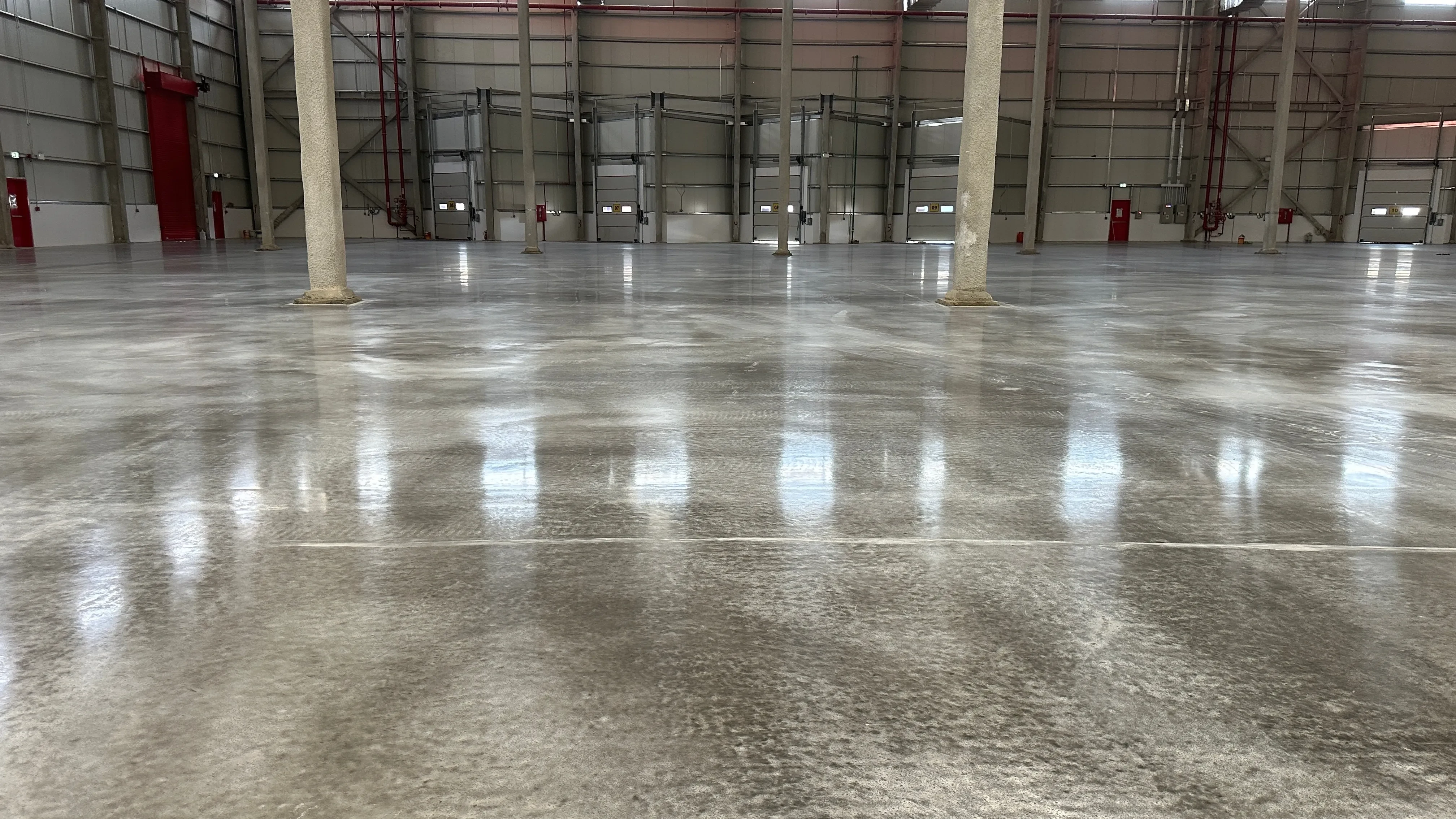
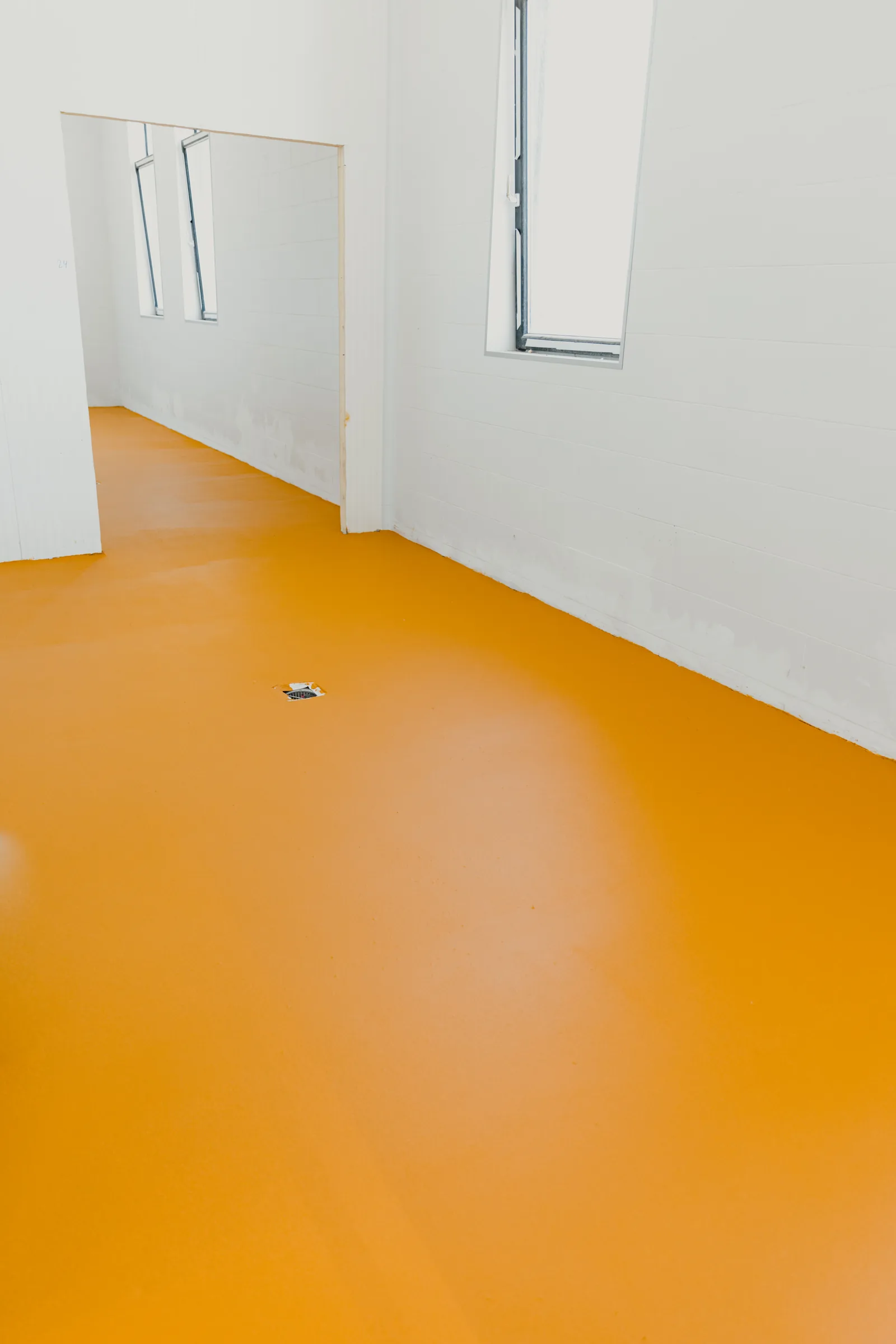
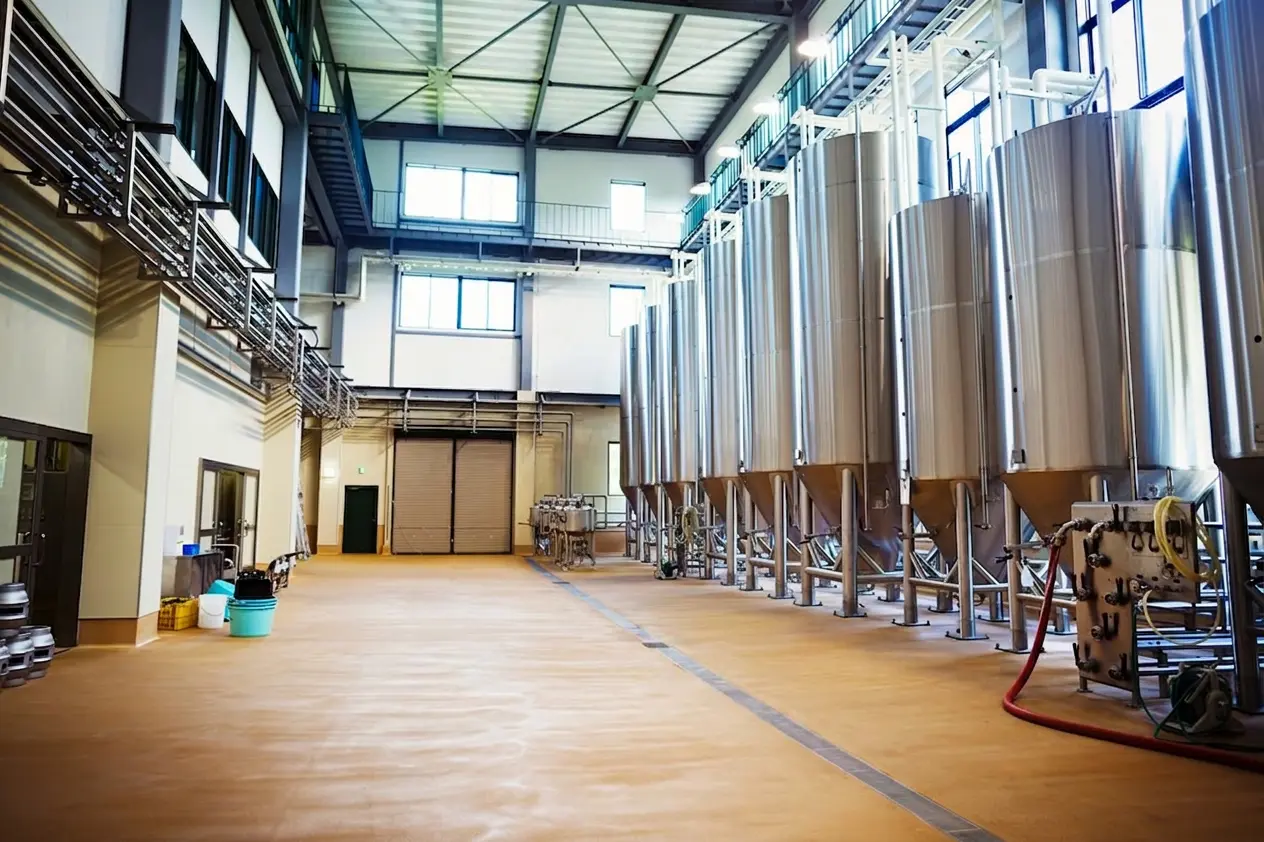
Commercial and industrial installations use thicker systems with higher solids content, anti-slip aggregate, and chemical resistance suited to the specific environment. Warehouses and light industrial facilities typically receive a solid colour broadcast system with line marking. Restaurant and commercial kitchen floors require urethane cement or epoxy quartz systems that withstand thermal cycling, steam cleaning, and chemical exposure. VCH-compliant commercial kitchen floors include a coved base detail that eliminates the gap between floor and wall. Commercial quotes are project-specific and based on square footage, existing slab condition, and the coating system required for the environment.
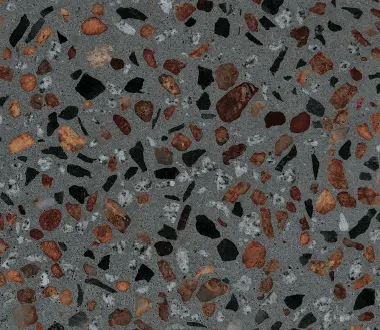
Microcement is a 2 to 3mm polymer-modified cement overlay applied by trowel over prepared existing surfaces: concrete, tile, plywood subfloor, or drywall. It creates a continuous surface without grout lines across floors, walls, shower enclosures, bathroom vanities, kitchen countertops, and kitchen backsplashes. Because it is applied over existing surfaces, microcement avoids demolition in renovations and can be used in rooms where standard epoxy is impractical. The finished surface is sealed with a two-component topcoat for water and stain resistance. Microcement cost in Vancouver depends on the surface area and the substrate condition, so contact us for a project-specific quote.
Every project in this gallery began with diamond grinding, not acid etching. Diamond grinding opens the concrete surface mechanically, removes any existing coating or contamination, and creates the surface profile that coating manufacturers require for adhesion. In Metro Vancouver, moisture vapour emission testing follows every grind before any primer is applied. This step prevents the blistering and delamination that causes DIY epoxy floors to fail within 12 to 18 months. The smooth, bubble-free finish visible across these photos is a direct result of proper substrate preparation. Surface prep accounts for the majority of total installation time, and the majority of what determines whether a floor holds for 3 years or 15.
Get a free on-site quote for your garage, basement, or commercial space.
Get Your Free QuoteTell us the space and the look you like. We will come see the slab and send a written quote for your floor.