Garage Floor Crack Repair Vancouver
Cracks in a Vancouver garage slab get chased out, filled and ground flush before any coating goes down, and that repair is part of the floor price, not an extra line on the invoice. Most cracks in Lower Mainland garages are shrinkage or settlement cracks in a slab that is doing what concrete does in a wet climate. We test the slab, repair what is repairable, and tell you straight when a crack needs an engineer instead of a coating.
What Garage Floor Crack Repair Actually Involves
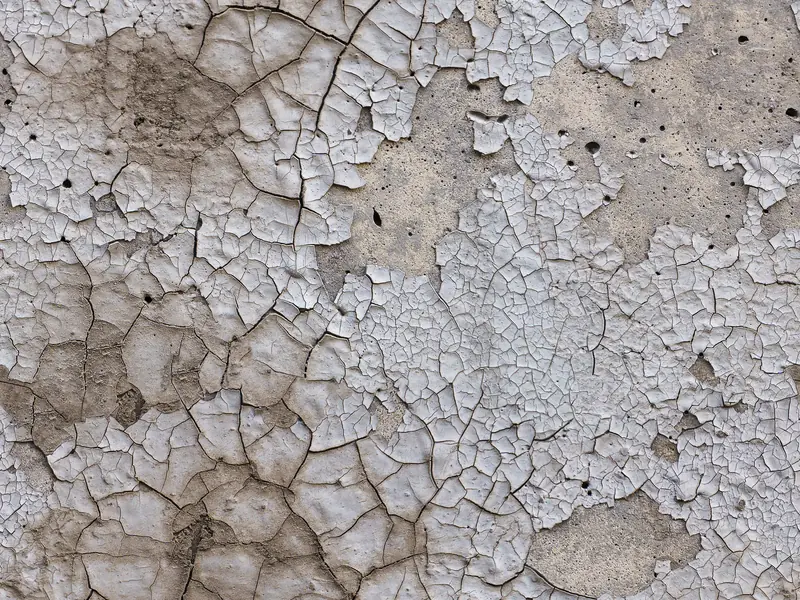
Concrete garage floor repair means opening each crack into a clean, square channel, vacuuming out the dust and loose material, filling the channel with a flexible polyurea crack filler, then grinding the patch flush with the surrounding slab. Done properly it takes a few hours on a typical two-car garage and leaves a surface the coating can bond to across the whole floor.
The part most homeowners do not expect: filling a crack is the easy half. The hard half is prep. A crack that gets squeezed full of hardware-store filler and coated over will telegraph back through the new floor within a season, because the filler only sits in the top of the crack instead of bonding to clean concrete on both sides, and the coating tears along the old line. We rout the crack out wider than it looks, which feels wrong to watch, and that is exactly why the repair holds.
We repair cracks as part of a coated floor. If your slab is cracked and you want it coated, this is the first day of that job. We are floor coating installers, so we do not take on standalone slab repair, structural underpinning or slab replacement, and we will say so at the assessment rather than sell you something that is not ours to do.
When to Worry About Cracks in a Garage Floor
Most cracks in a Metro Vancouver garage are cosmetic. A few are not. This is the same triage we run at an on-site assessment, and you can do the first pass yourself with a tape measure and a flashlight.
| What you see | What it usually is | What we do |
|---|---|---|
| Fine lines, thinner than a credit card, no height difference | Hairline shrinkage cracks from the slab curing. Normal in nearly every garage. | Fill, grind flush, coat. No structural work. |
| Cracks running off a corner of the door opening or a post base | Stress cracks at a re-entrant corner where the slab was always going to split. | Rout, fill with polyurea, coat. They rarely move again. |
| One side sits higher than the other, or the crack has opened past 3 mm | Settlement. The ground under one side of the slab has moved, which happens on clay soils and on fill. | Level the transition, fill, and flag it. If it is still moving, coating waits. |
| Crack runs wall to wall, widens over months, or water pushes up through it | Structural or hydrostatic. The slab or the ground under it is the problem. | We stop and tell you to get a structural engineer or a drainage contractor first. |
| Surface flaking, pitting or crumbling patches rather than a line | Spalling, usually road salt carried in on tires over several winters. | Grind out the soft concrete, rebuild with repair mortar, then coat. |
Rule of thumb from the assessments we run across the Lower Mainland: if you can catch a fingernail in it, it needs routing out rather than a skim of filler. If one side is higher than the other, the slab has moved and that changes the plan.
Why Concrete Garage Floors Crack in the Lower Mainland
Concrete cracks everywhere. The reason it shows up so consistently in Metro Vancouver garages comes down to water and soil.
- Slab moisture from below. A lot of housing stock here was poured before sub-slab vapour barriers were standard practice, so ground water moves up through the slab year round. That is also the reason a moisture test matters more here than it does in a dry climate. Our guide to moisture vapour in concrete covers the testing.
- Clay soils and fill. Parts of Surrey, Richmond, Delta and the Fraser Valley sit on clay or on fill that shifts with the wet season. A slab poured over ground that moves will crack at its weakest line.
- Road salt and freeze cycles. Winters here are mild by Canadian standards, and we still get enough cold snaps to matter. Cars carry salt and grit in off the highway all season. Salt in water expands in the pores of the concrete and takes the surface apart from the top down.
- Control joints that were cut late or shallow. A control joint is supposed to tell the slab where to crack. Cut too shallow or too late, the slab picks its own line instead.
- Vehicle loads on a thin pour. Older garages were often poured at around 3 inches with no rebar or mesh. Add a modern SUV and the slab flexes.
None of that means your floor is failing. It means the slab needs reading before anything gets coated, which is what the assessment is for.
How We Repair Garage Floor Cracks, Step by Step
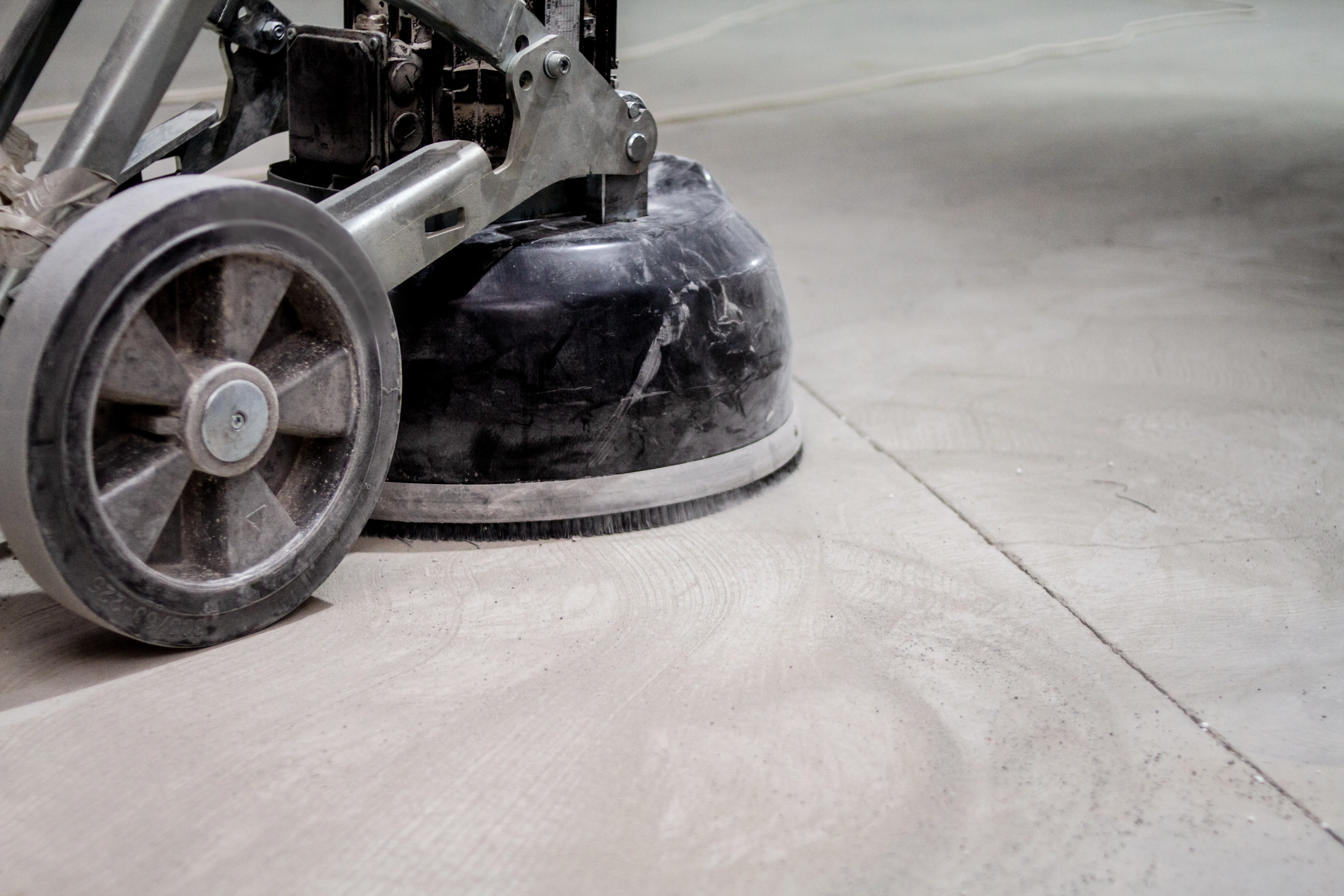
- Assess and moisture test. We measure crack width, check for a height difference across each one, and run a moisture test on the slab. That decides whether the floor gets a standard build or a moisture-mitigating primer.
- Chase out the cracks. Each crack is cut open with a crack chaser wheel into a clean channel with square shoulders. This is the step DIY kits skip and the reason DIY repairs come back.
- Vacuum and clean. Dust in a crack means the filler bonds to dust instead of concrete. Every channel gets vacuumed out before anything goes in.
- Fill with flexible polyurea. Cracks are filled with a polyurea filler that stays slightly flexible, so it moves with the slab through Vancouver's wet and dry seasons instead of splitting beside the patch. Spalled and pitted areas get a repair mortar instead, built up and shaped.
- Grind the whole floor flat. Patches get ground flush and the full slab gets diamond ground to open the pores. No acid etching, which is the other common reason coatings peel here.
- Coat. Base coat, flake or pigment, then the topcoat, so the repaired slab and the sound slab end up under one continuous floor. See the 1-Day and 2-Day systems for how the builds differ.
On a standard garage the repair work and the grinding happen on day one, and the coating goes down the same day or the next morning depending on the system. Full vehicle use is ready about 72 hours after the last coat.
How Much Does Garage Floor Crack Repair Cost in Vancouver?
Crack repair on a coated floor is not quoted as its own line item. It is assessed on site and included in the price of the floor, so the number you see below is the whole job: prep, crack and spall repair, moisture test, the coating system and cleanup.
| Garage | Approx. size | Typical range |
|---|---|---|
| Single-car garage | 250 to 300 sq ft | $2,000 to $3,500 |
| Two-car garage | 400 to 500 sq ft | $2,000 to $4,000 |
| Three-car or oversized | 700 to 900 sq ft | $3,500 to $7,500 |
Heavier repair work moves a floor toward the top of its range. A slab with dozens of cracks, widespread spalling, an old coating to remove or a moisture reading that calls for a mitigating primer takes more hours and more material than a slab with three hairlines in it. All of that is assessed on site and included in your written quote. GST (5%) is additional.
For the full pricing picture by system and by room, see the Vancouver epoxy flooring cost guide, the garage floor cost breakdown, or the two-car garage cost page.
Can You Epoxy Over a Cracked Garage Floor?
Yes, once the cracks are repaired first. Epoxy is a coating, not a structural fix, so it bridges nothing on its own. Poured over an untreated crack it will split along the same line, usually within the first year, and the failure looks worse than the original crack because now the coating is lifting at the edges too.
Repaired properly, the opposite is true. A filled and ground crack under a flake or polyaspartic build disappears into the floor, and the finished coating seals the slab against the water and salt that made the crack worse in the first place. That is the honest case for coating a cracked garage floor rather than leaving bare concrete.
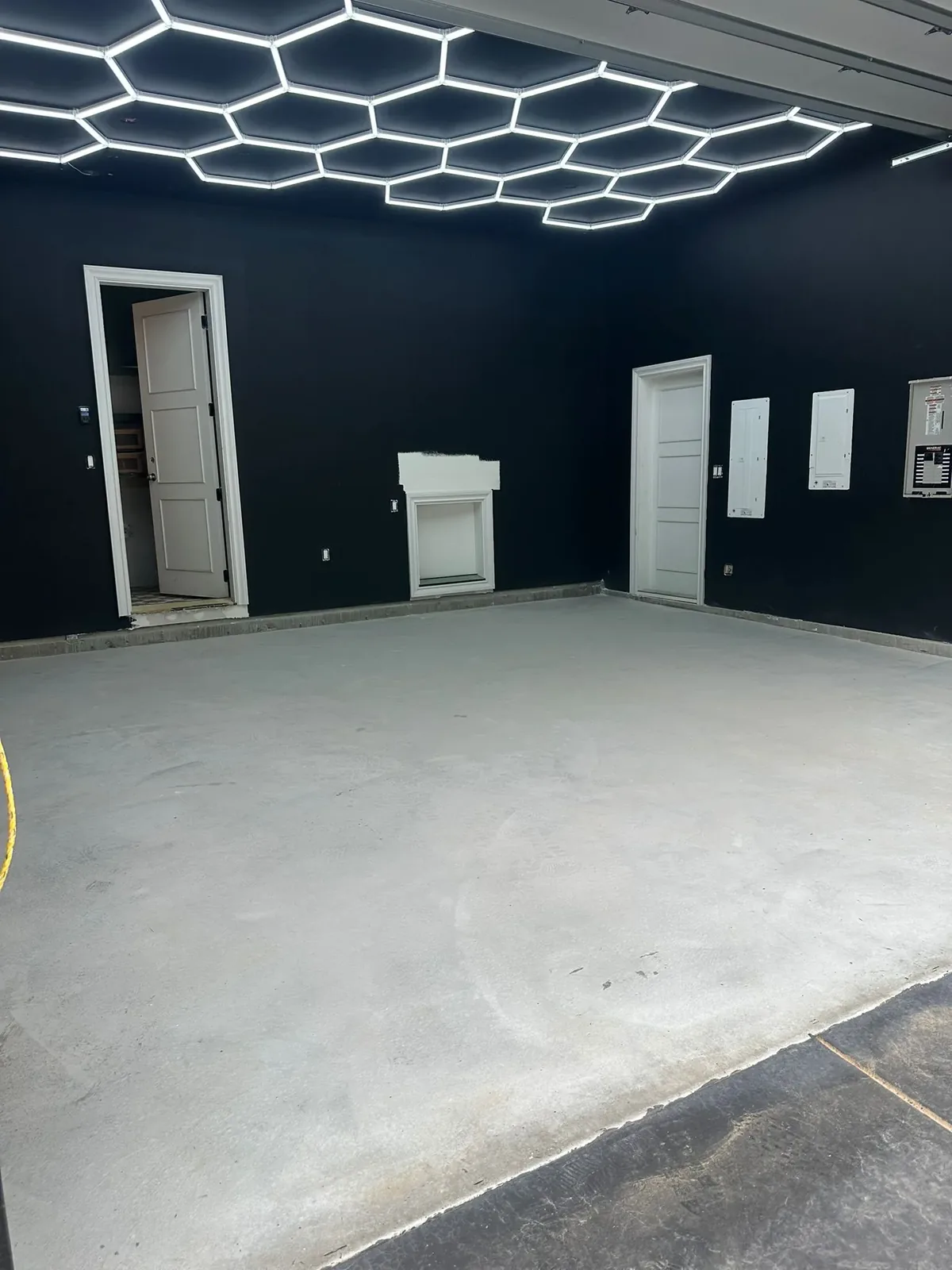
Two situations where we hold off. A slab that is still actively moving needs to settle before anything permanent goes on it. And a crack with water coming up through it is a drainage problem; coat it and the water simply finds the next weak point. In both cases you get told at the assessment, not after the deposit.
If the surface is more worn than cracked, floor resurfacing may be the better route, and basement slabs have their own moisture rules covered on the basement flooring page.
Garage Floor Crack Repair: Frequently Asked Questions
Garage Floor Crack Repair Across Greater Vancouver
We assess and repair cracked garage slabs throughout Metro Vancouver and the Fraser Valley as part of a coated floor.
Get a Free Garage Slab Assessment in Vancouver
Tell us what the floor looks like and we will tell you what the cracks mean. You get a written quote with the repair work already in it, and no obligation.